Tea culture in Poland: a guide to herbata for expats
The essentials: Tea is the default hot drink in Poland - Poles drink more dried tea per capita than Germans, Czechs, the French, Spanish or Italians (CTMRI, March 2026). The classic serve is black tea from a bag with lemon and sugar, often in a glass. Fruit and herbal teas follow, and matcha is booming with the under-30s.
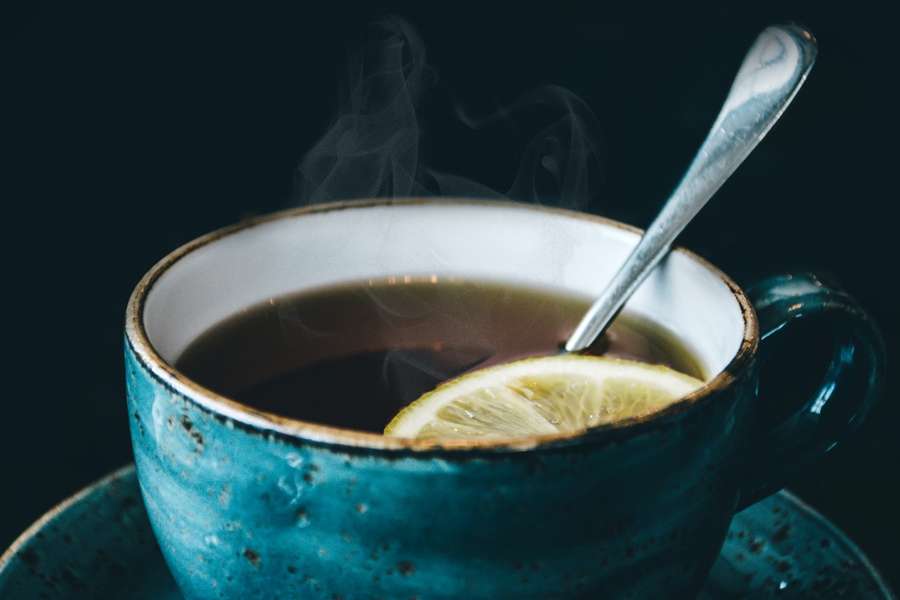
Ask for a hot drink in a Polish home and the default answer is not coffee. It is herbata - a glass of strong black tea with a slice of lemon floating in it, offered before you have taken your coat off. Tea is the quiet backbone of Polish daily life: the breakfast drink, the office drink, the sick-in-bed drink, the drink you are handed at every family visit. The numbers back the stereotype. According to the Coffee and Tea Market Research Institute (11 March 2026), Poles drink more dried tea per capita than Germans, Czechs, the French, Spaniards and Italians, and spend over 140 million zloty on tea every month. For an expat, understanding herbata is a small but real key to Polish hospitality - and to never being surprised by what lands in front of you.
How Poland drinks its tea
The classic Polish cup is black tea, brewed from a bag - the market is dominated by torebki, tea bags, known colloquially as ekspresowki - served with a slice of lemon and sugar on the side. Milk is the exception, not the rule; ordering "herbata z mlekiem" will get you a politely raised eyebrow in many places, while "herbata z cytryna" (with lemon) is the standard phrase. Older generations and traditional cafes serve it in a tall glass (szklanka), sometimes in a metal holder with a handle - a habit inherited from the days when glasses were cheaper than porcelain. Younger Poles use mugs, but the lemon stays.
The ritual matters more than the leaf. Tea is what you offer a guest in the first two minutes of a visit, what appears automatically with cake, what a host refills without asking. Refusing entirely is fine, but accepting at least one glass is the smoother path - in Polish homes the kettle is always on.
What the market says
Tea in Poland is a large, remarkably stable market. The industry magazine HURT and DETAL (17 April 2026), citing sales data from March 2024 to February 2025, puts black tea at 42% of the category's value, fruit teas at 17% and herbal teas at 14%. A shelf-space analysis by eLeader, reported by dlahandlu.pl (12 March 2026), found that nearly half of Poles reach for tea daily, regardless of season, and that two brands - Lipton and Herbapol - control about a quarter of store shelf exposure, with Teekanne, Bifix, Big-Active and Dilmah each holding 5-6%. The same Institute report names Herbapol Lublin, Loyd and Lipton as the market's key brands.
Two currents are moving under the stable surface. Private-label teas grew 24% in a year to over 26% of the offering, and the number of unique tea products on shelves jumped 16% year-on-year in the last quarter of 2025 - retailers loading up for the winter and gift season. And green is gaining where black is flat: the Institute reports green tea sales up 6.3% against black's 2.1%.
Fruit, herbal and the raspberry cure
The categories after black tea are where Poland gets specific. Herbata owocowa - fruit tea, usually a deep-red brew of hibiscus, rosehip and dried berries - is the default alternative, the thing children get and the standard caffeine-free evening option. Herbata ziolowa covers herbal blends, with chamomile (rumianek) for the stomach, linden flower (lipa) for colds, and mint for everything else; Polish pharmacies and supermarkets treat herbal tea as borderline medicine, and every family has its hierarchy of what cures what.
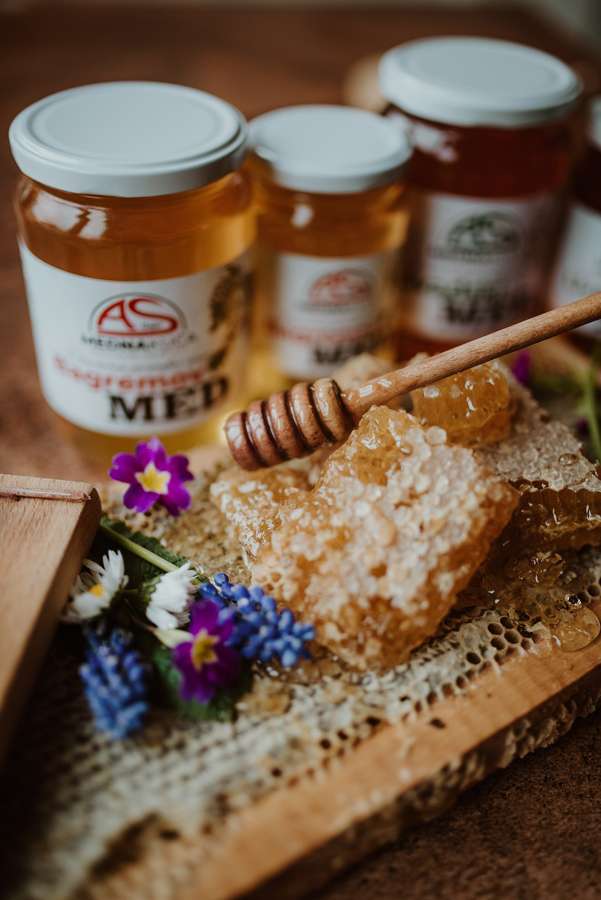
Then there is the winter arsenal. When a cold starts, Polish homes deploy herbata z sokiem malinowym - black tea with raspberry syrup or jam stirred in - plus honey, lemon, and in more serious cases a clove of garlic or a shot of something stronger. Market data reflects the season: producers load autumn and winter lines with warming additions like cinnamon, cardamom and cloves, per the HURT and DETAL analysis. Ginger and turmeric blends ride the same health wave year-round.
Tea out: the herbaciarnia
Poland's tea houses - herbaciarnie - are a different world from cafes. Expect a long printed menu organized by color and origin, dozens of loose-leaf options brewed in small pots, water timers, and an unhurried, low-music atmosphere closer to a library than a coffee shop. Every larger city has a few; they are where Poles go for long conversations, first dates and winter afternoons. Prices run higher than a home glass but a pot for two people is good value, and staff will happily guide a beginner.
In ordinary cafes, tea is always on the menu but arrives as a bag in hot water with lemon on the saucer - do not expect barista-level attention except in specialty spots. Summer flips the format: iced tea based on real brews rather than syrup is a growing trend per the same industry coverage, and every kiosk sells bottled ice tea.
Matcha, kombucha and the new wave
The stereotype ends at the city limits of the under-30s. Matcha has moved from niche to what the Institute calls "premium mainstream," popular especially with generation Z, appearing in lattes, desserts and bakery menus; Chinese matcha is growing alongside the pricier Japanese supply. Kombucha - fermented tea, sweet-sour and lightly fizzy - sits on the same modern shelf, marketed on probiotics. Yerba mate has its own loyal subculture: 35 distinct products across 15 brands appeared on mainstream shelves in 2025, per the eLeader data, remarkable for a drink with its own gourd, bombilla straw and ritual.
None of this replaces the glass with lemon. It layers on top - the same households that brew matcha in the morning still keep a box of black Herbapol for grandma.
Herbata at work and school
The office kettle is a Polish institution. Most workplaces keep a shared kitchen corner with tea bags, sugar and lemon, and offering to make a round - "robie herbate, ktos chetny?" - is the simplest way to be liked by a new team. Meetings run on tea; job interviews end with it; parents' evenings at school pour it by the litre. For children, weak fruit tea is the standard everyday drink from an early age, which is why the taste of herbata owocowa triggers nostalgia in almost every adult Pole. If you remember one social rule: when someone makes you tea, drink it slowly and stay a while. The glass is never just about the glass.
Buying tea in Poland
The supermarket shelf covers 90% of needs: black, Earl Grey, fruit and herbal boxes from the big brands plus the fast-improving store brands. For loose leaf and single-origin teas, look for dedicated tea shops (sklep z herbata) and herbaciarnie retail corners; the quality jump from bag to leaf is the single biggest upgrade a tea drinker can make here, and prices stay modest by Western European standards. Herbal basics - chamomile, linden, mint, nettle - are cheaper at the pharmacy or a herbalist (zioła) than in branded boxes. If you are invited to a Polish home and want to bring something, a packet of good loose-leaf tea or an interesting fruit blend lands perfectly: practical, shareable, and it will be opened and brewed while you are still there.
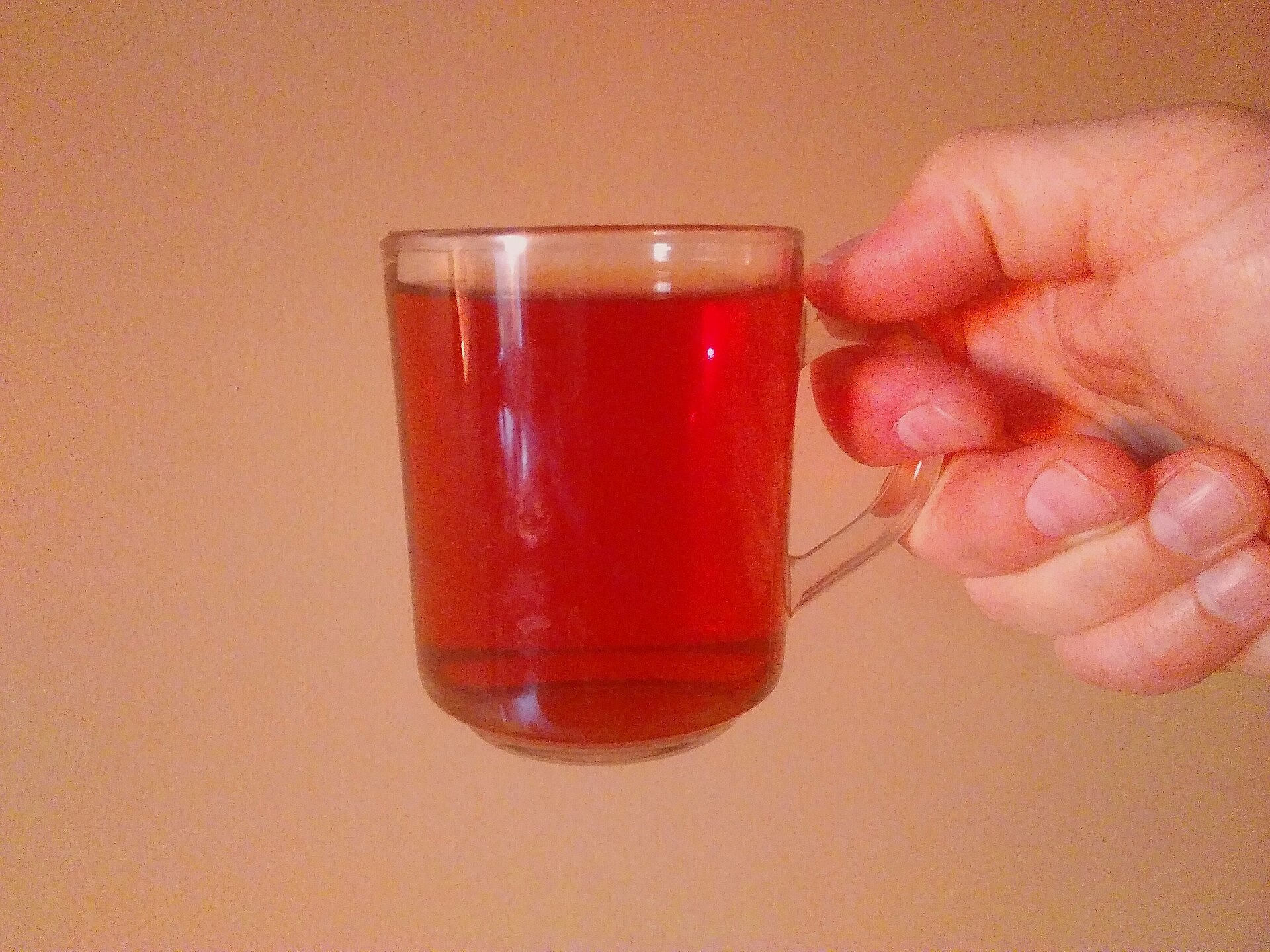
Cover: A cup of black tea with lemon - photo by Lisa Fotios, CC0, via Wikimedia Commons. Body: A glass mug of fruit tea - photo by Koefbac, CC BY-SA 4.0, via Wikimedia Commons.
Frequently asked questions
Do Poles drink more tea or coffee?
Tea is the traditional default - Poland drinks more dried tea per capita than Germany, Czechia, France, Spain or Italy, and nearly half of Poles drink it daily. Coffee has grown enormously in cities, but in homes, offices and anywhere older generations gather, the first offer is still herbata.
Why do Poles put lemon in tea instead of milk?
It is simply the established habit: black tea with a lemon slice and sugar, often in a glass. Milk in tea is rare and can read as unusual. If you want milk, ask for it explicitly ("herbata z mlekiem") - in a cafe it will be brought on the side without drama.
What is a herbaciarnia?
A tea house: a quiet venue with a long menu of loose-leaf teas brewed in pots, closer in mood to a library than a cafe. Every big city has several. Ideal for long conversations, and the staff will help you choose if you are new to leaf tea.
Is matcha actually popular in Poland?
Yes, especially among under-30s. Industry coverage in March 2026 describes matcha moving from niche to premium mainstream in Poland, with green tea sales up 6.3% year on year. You will find matcha lattes in most city cafes, though it layers on top of traditional herbata rather than replacing it.
What tea should I bring as a gift to a Polish home?
A box of good loose-leaf tea or an interesting fruit blend is a perfect guest gift - useful, shareable, and it will likely be brewed during your visit. In winter, anything with raspberry, ginger or honey notes fits the season.