Textile Labels in Poland: Fibre Names, Percentages and Blends
The essentials: Find the fibre-composition panel and read names with percentages, generally in decreasing order. Bawełna is cotton, wełna wool and len linen. Composition and care answer different questions; neither a soft feel nor a marketing name proves fibre content.
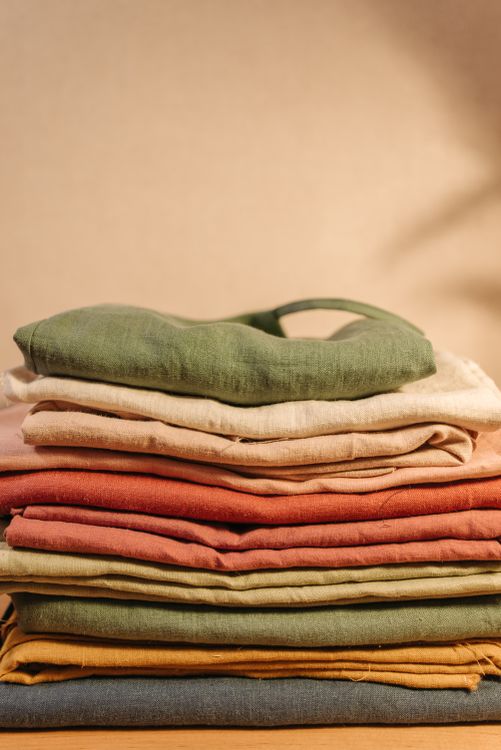
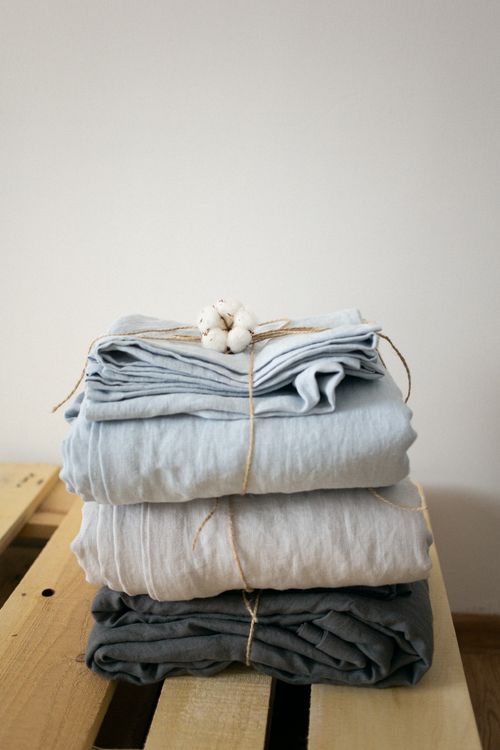
Cover: Pavel Danilyuk, source photograph, Pexels License. Image unchanged. Folded textiles in different colours. Illustrative textile context, not evidence of the actual fibre composition.
A clothing label can answer several different questions, and confusing them makes shopping harder. The fibre-composition panel tells you what the textile is made from. The care instructions tell you how to treat the finished item. A brand name, a soft feel and a description such as premium are not substitutes for either. If you are buying clothes in Poland, recognising a few Polish fibre names helps you compare the actual garment rather than its advertising.
This guide concerns composition labels, not washing programmes, tailoring services or textile disposal. It uses current EU guidance and Polish consumer-inspection information checked on 5 November 2026. The photographs show folded clothes as context only. They do not establish the fibre content of the items shown, and no claim about their composition is inferred from their appearance.
Find the composition panel before comparing garments
Look for the part of the label listing fibre names and percentages. EU consumer-product guidance says textile labels must identify the composition and clearly separate it from other information, such as product care. The label may sit near care instructions, but the two kinds of information do different jobs. Read the actual composition before deciding that a garment matches another one on the rack.
The EU guidance generally covers products made up of at least 80% textile fibres by weight, including clothing and some household textiles. There are detailed legal provisions and exceptions behind the rules; this is a shopping introduction rather than a compliance checklist for sellers. For ordinary clothing, the practical habit is straightforward: find the attached composition information and make sure you can understand it.
If you are looking online, read the written composition, then check the delivered garment's label as well. UOKiK's September 2026 clothing-inspection report identified differences between information in online offers and on products. That does not prove a particular listing is wrong, but it gives you a good reason to preserve the description of an important purchase and compare it with what arrives.
Recognise common Polish fibre names
Bawełna means cotton, wełna means wool, len means linen, and jedwab means silk. These translations help you recognise what a label is saying, not what it must feel like. A soft item is not automatically wool or cashmere, and a crisp summer shirt is not automatically linen. Use the declared composition rather than a touch-based guess.
Other common names include poliester for polyester, poliamid for polyamide, wiskoza for viscose, akryl for acrylic and elastan for elastane. Learn the words relevant to what you buy most often. You do not need to classify every fibre scientifically to distinguish a cotton-rich blend from a polyester-rich one, but you do need to read the whole line rather than stopping at its first familiar word.
Polish names matter in the local information supplied to shoppers. UOKiK's 2026 report specifically identified labels using cotton instead of bawełna and viscose instead of wiskoza among the problems found. An English term may be understandable to you, but it does not remove the seller's applicable local-language duties. Your personal ability to translate a label and a business's compliance are separate matters.
Read percentages in order, not as a headline
EU guidance says composition should be written in decreasing percentage order. If an invented example reads 70% bawełna and 30% poliester, it describes a blend with more cotton than polyester. It does not mean pure cotton, and it does not tell you every property of the finished garment. The percentages describe the declared fibre mixture, not a universal quality score.
A fibre named prominently in marketing may be only one component of a blend. Read the percentage beside it before paying more because of that name. UOKiK's wool-related enforcement information is a reminder that declared composition can be a significant part of the purchase decision. Do not transform a mention of wool into a claim that the whole garment is wool.
The EU explanation says terms such as 100%, pure or all can be used only for products composed exclusively of one fibre type. Compare the actual declaration with any such claim. If the sales description and attached label appear inconsistent, ask the seller to explain which information describes the item. Do not silently combine the most appealing parts of both statements.
Separate the outer fabric from other components
A garment can have more than one textile component, and a label may identify them separately. Read any headings that distinguish parts of the item rather than treating every percentage as one big blend. The question is what each declaration refers to. If you cannot establish that, ask the seller before assuming a lining and an outer fabric share the same composition.
This matters when you are choosing an item for a particular use or preference. You may care about the part next to the skin, the main outer material or a particular component. State that question precisely. Asking what is the garment made of may receive a shorter answer than asking which composition line describes the lining or the main fabric.
Do not infer the full construction from the name of the dominant fibre. Composition alone does not establish thickness, weave, finish, durability or how a garment will fit. The label is useful because it settles one part of the description. Inspect the rest of the product and its stated purpose separately rather than asking one panel to answer every quality question.
Composition does not replace the care label
Knowing that a garment contains wool or cotton is not enough to choose a washing or ironing method. The finished item can have a blend, finish or construction that changes its care requirements. Keep composition and care information separate in your decision. This guide does not prescribe a temperature, dryer setting or stain treatment for a fibre name.
The useful sequence is to read what the garment contains, then read how the manufacturer says to care for that particular item. If the care demands do not fit your household, that is a legitimate reason to choose something else. A composition you like does not make a high-maintenance garment convenient for your routine.
Likewise, a seller's general statement that a material is easy to care for should not cancel the attached care instructions. If you need clarification, ask about the exact item and keep the answer with your purchase information. A practical shopping decision includes both what you are buying and whether you can look after it as required.
Do not use fibre percentages as a medical promise
A composition label is not a diagnosis or a guarantee that an item will suit every person's skin. If you have a medically relevant sensitivity or another specific requirement, use the advice you have been given and ask questions about the actual product. Do not rely on a natural-sounding description as a substitute for that requirement.
The same caution applies to broad quality assumptions. Natural, synthetic and blended are not a complete ranking of every finished garment. Consider the use, construction, fit, care requirements and price alongside composition. The label makes comparisons more precise; it does not require you to prefer one fibre for every climate, activity and piece of clothing.
For a school uniform, work garment or item with a stated performance requirement, check the relevant specification too. This guide does not treat fibre percentages as proof of protective performance, fire resistance or compliance with an employer's rule. Those are separate claims that need their own evidence.
Keep evidence if composition is important to the purchase
If a particular fibre content is the reason you are buying, keep the receipt and the product description. A photograph of the composition label and the item identifier can help if you later need to query a discrepancy. Photograph your own purchase information, not another shopper's personal details. The aim is a clear record of what was represented and what you received.
UOKiK's September 2026 inspection covered selected children's clothing and found both labelling problems and differences between declared and laboratory-tested composition. Those were targeted checks, not a measurement of the whole Polish clothing market. Do not turn the report into an accusation that every label is unreliable. Use it as a reason to check important claims and retain useful evidence.
You cannot reliably verify a fibre percentage at home simply by looking at or touching a garment. If there is a real dispute, describe the inconsistency you can establish, such as different written declarations. Do not claim a laboratory conclusion based on a home guess. Ask the seller to address the actual issue and seek consumer advice if necessary.
Make a small comparison that you can use
When choosing between two items, record the declared composition, the part of the garment it describes, the care requirements and the price. Add fit and intended use. This is more useful than remembering that one item felt more expensive. Keep any conclusion tied to what you actually inspected rather than to a whole brand or country of origin.
For online shopping, do not let an attractive fibre word replace the full listing. Check size and return arrangements separately, and compare the delivered label before removing information you may need. This guide does not promise a particular return right or process for every purchase; it simply helps you keep the composition question clear.
A few words can do most of the work: bawełna, wełna, len, wiskoza and the percentages beside them. Read the whole declaration, distinguish components and keep care instructions separate. You will leave with a better description of the garment, not a magical guarantee of quality. That is enough to make many everyday clothing purchases easier to understand.
Frequently asked questions
Does a wool mention mean a garment is all wool?
No. Read the actual composition and percentages. It may be one component of a blend.
Can I choose washing settings from fibre content alone?
No. Read the finished garment's own care instructions.
Can I verify fibre percentages by touching a garment?
No. Do not claim a laboratory conclusion from appearance or feel.