Ticks in Poland: removal, Lyme, and the paid TBE vaccine (GIS)
Short answer: Remove a tick at once by gripping it at the skin with tweezers and pulling up firmly. Lyme disease has no vaccine. The TBE vaccine is recommended but paid: 3 doses plus a booster every 3 to 5 years.
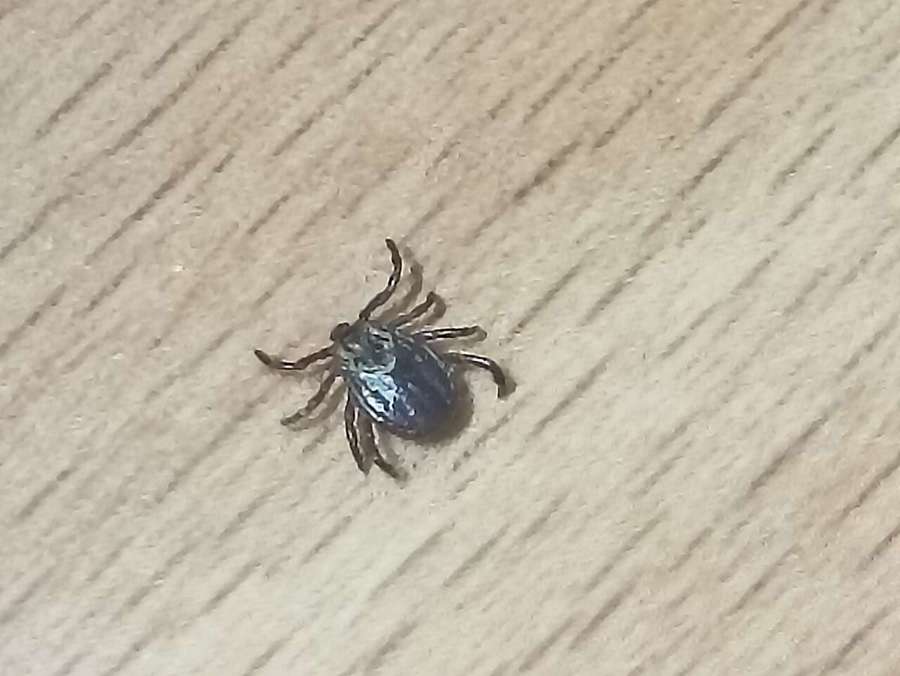
Ticks are active in Poland from early spring to late autumn, and the Chief Sanitary Inspectorate (GIS) says they can be found even in December when daily temperatures stay above 5-7°C. Two diseases matter most: Lyme disease (borreliosis), which has no vaccine, and tick-borne encephalitis (TBE), which does. This page summarises what GIS and the patient portal pacjent.gov.pl say about prevention, removal and the TBE vaccine, read on 19 October 2026. It is general information, not medical advice.
When ticks are active
According to GIS, ticks start their seasonal activity when the daily temperature goes above 5-7°C and it is damp. There are two peaks: March to June, and September. Activity ends when the average air temperature falls below 5-7°C, which usually happens in October and November in Poland, but a mild spell can bring them back. They are most numerous at the edge of a forest and do not climb higher than 1 to 1.5 metres, so you meet them in grass, weeds and bushes, not on trees. Activity is highest in the morning and evening.
How to protect yourself
- Cover as much skin as you can in forests, fields and long grass: long trousers (GIS suggests tucking them into your socks), long sleeves and a hat.
- Use repellents as the producer instructs. GIS warns that stretching the time between applications makes the protection ineffective.
- Check your whole body after a visit. GIS advises a first look before you go indoors, because ticks carried in on clothing can survive in a home for months. Check covered areas, and children's hair.
- Avoid unpasteurised milk. TBE can also be caught from the milk of infected goats, sheep and cows.
If you find a tick
Remove it as soon as possible. GIS says to use a tick-removal tool or tweezers, grip the tick right at the skin and pull it up with a firm movement, handling and squeezing it as little as possible. Do not smear it with any substance. Disinfect the bite. If you cannot remove it or are not confident, see a doctor, but remember that the sooner it is out, the lower the risk. GIS adds that even if the tick was infected, removing it within 12 hours of the bite means the number of Lyme bacteria entering the body is likely too small to cause infection.
The patient portal advises against testing the tick itself. A positive result in the tick does not prove you are infected, and a negative result does not rule infection out. Whether a person has been infected can be checked after a few weeks with serological blood tests.
Lyme disease
GIS describes a skin change 7 to 10 days after a bite from an infected tick: a red or blue-red patch that grows over up to several weeks, called erythema migrans. General symptoms can include tiredness, muscle pain, fever, headache and a stiff neck. Treatment is with antibiotics for at least 3 to 4 weeks, and having had Lyme disease does not protect against a new infection. There is no vaccine. Without treatment it can lead to meningitis and encephalitis, nerve inflammation, arthritis or heart rhythm problems.
Tick-borne encephalitis (TBE)
Most TBE infections have no symptoms, says GIS. Where there are symptoms, they begin 7 to 14 days after a bite, with fever, tiredness, nausea and headache. Some people then develop a second phase with inflammation of the meninges and brain, which needs hospital treatment. There is no specific treatment. Pacjent.gov.pl reports 661 TBE cases in 2023 and 793 in 2024, with most infections in north-eastern Poland.
The TBE vaccine
The patient portal (page dated 3 June 2025) says the TBE vaccination is "recommended" and paid, not free. You can have it at your primary care clinic (POZ) or a private practice, and the POZ doctor will qualify you for the vaccination free of charge and issue the prescription. For workers who are occupationally exposed, such as foresters, the employer covers the vaccine and the vaccination. The primary course is 3 doses, followed by a booster every 3 to 5 years. A faster schedule of 2 doses 14 days apart exists when quick protection is needed. The portal suggests planning vaccination before the spring and summer season. The vaccine does not protect against Lyme disease or other tick-borne infections.
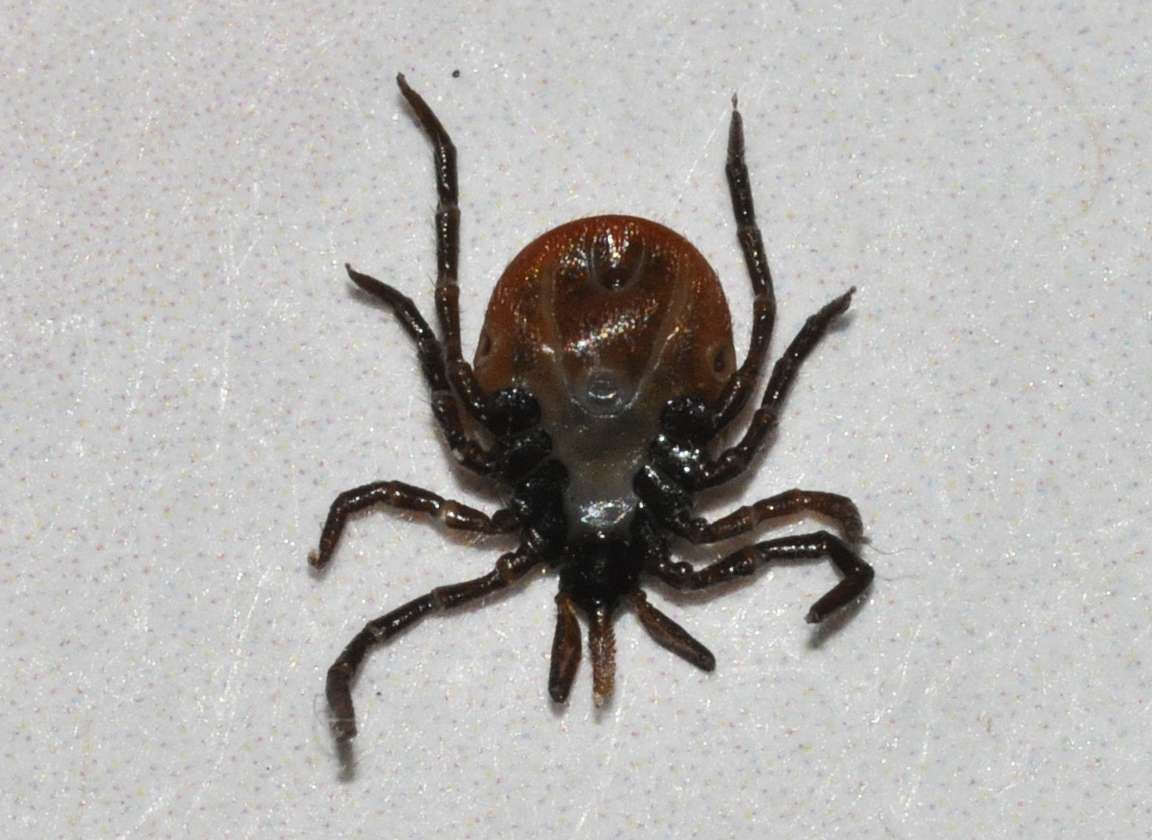
* Photos: cover, a tick photographed in Poznań in February 2025, and body, "Ixodes ricinus", both CC0, via Wikimedia Commons.
What this page does not cover
We did not find the price of the vaccine on the pages we read, and we did not check whether a particular doctor will give the vaccine to a foreigner without a PESEL. Ask your clinic. See a doctor quickly if you develop a rash, fever, a headache with a stiff neck, or other symptoms after a tick bite.
Frequently asked questions
How do I remove a tick in Poland?
GIS says to grip the tick at the skin with tweezers or a tick tool and pull it up firmly, without squeezing it or putting any substance on it, then disinfect the bite. See a doctor if you cannot remove it.
Is there a vaccine for Lyme disease in Poland?
No. GIS and the patient portal both say there is no vaccine against Lyme disease. There is a vaccine against tick-borne encephalitis, which is a different disease.
Is the tick-borne encephalitis vaccine free in Poland?
No, it is a recommended, paid vaccination, according to pacjent.gov.pl. Employers pay for people who are exposed through their work, such as foresters.