Toruń Weekend Guide: UNESCO Old Town, Copernicus and Gingerbread
The essentials: Toruń's medieval old town has been UNESCO-listed since 1997 and fits one weekend. Core stops: the Old Town Hall museum and tower (combined 52 zł), the Copernicus House (33 zł), the Living Museum of Gingerbread (42 zł, English show 14:00) and the Leaning Tower (20 zł). The walls, castle ruins and boulevards are free.
Poland's best-preserved Gothic city
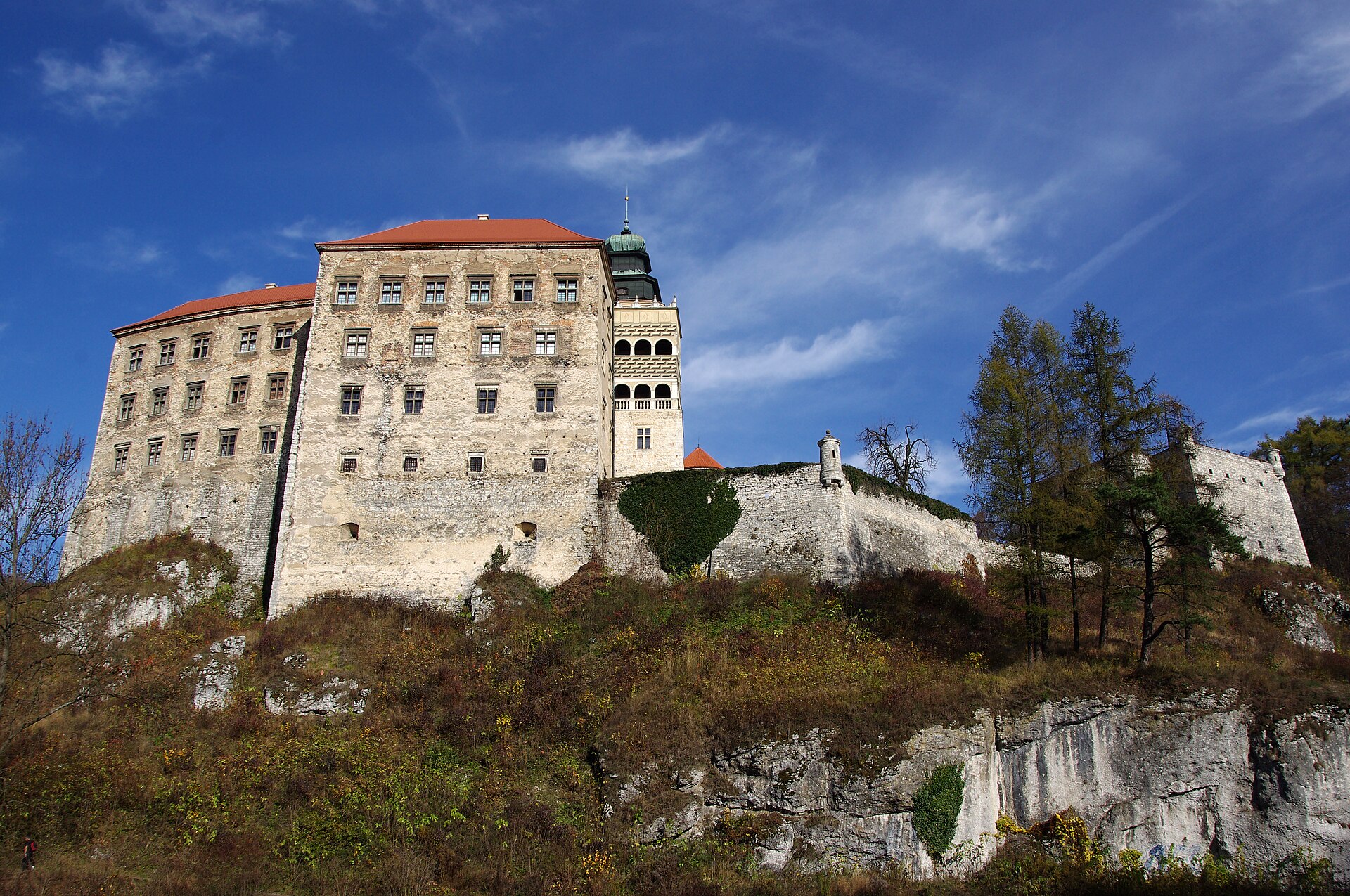
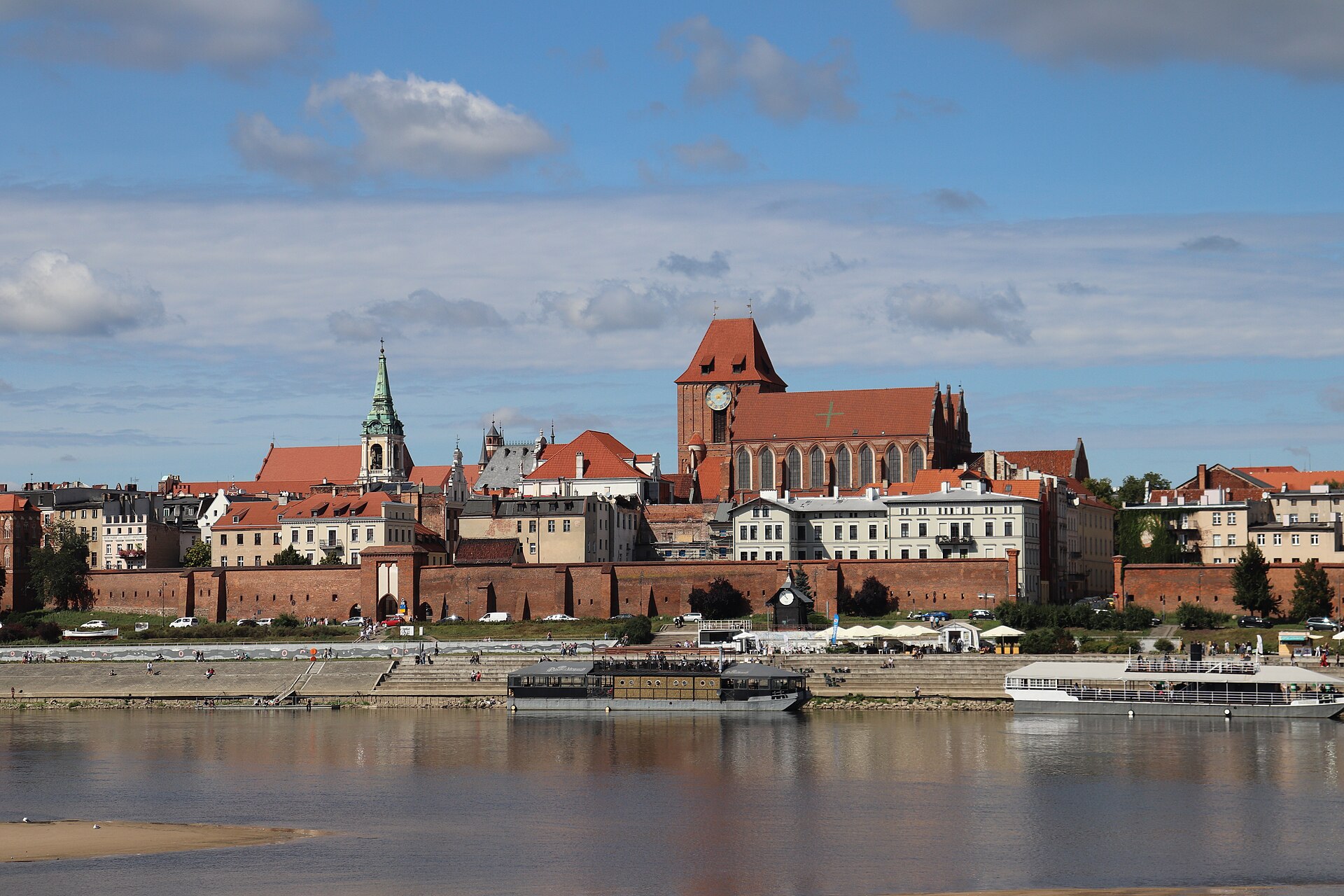
Toruń is the city Poland did not have to rebuild. While Warsaw and Gdansk were reconstructed from rubble after the Second World War, Toruń's medieval centre survived almost intact, and in 1997 UNESCO inscribed the Medieval Town of Toruń on the World Heritage List under criteria (ii) and (iv), recognising both its role in the exchange of Hanseatic trading culture and its value as an outstanding example of a medieval brick trading town. The result for a visitor is a small city where the Gothic is not a facade in front of something newer: the street plan, the town hall, the churches, the granaries and long stretches of the defensive walls are the real thirteenth-to-fifteenth-century fabric.
Toruń also carries two lighter claims to fame that structure any visit. It is the birthplace of Nicolaus Copernicus, born here in 1473 in a merchant's house that is now a museum, and it is Poland's gingerbread capital, a city that has baked spiced pierniki for centuries and now demonstrates the craft in a working show museum. A weekend covers all of it on foot: the old town is barely a kilometre across, and everything in this guide sits inside or immediately beside it. Prices and hours below were verified on official pages on 23 October 2026.
Data source: whc.unesco.org listing 835 (inscription year, criteria, description of the property); checked 23 October 2026.
The Old Town Hall and its tower
The Old Town Hall on the market square is the natural first stop: the seat of the District Museum and the building medieval Toruń ran itself from, with Gothic vaulting, period rooms and collections that run from medieval art to the city's trading past. As of the official museum page checked on 23 October 2026, admission to the exhibition halls costs 32 zł normal and 27 zł reduced. The town hall tower, climbed separately, costs 29 zł normal and 26 zł reduced, and a combined ticket for halls plus tower is 52 zł normal and 42 zł reduced - the sensible buy if you plan both.
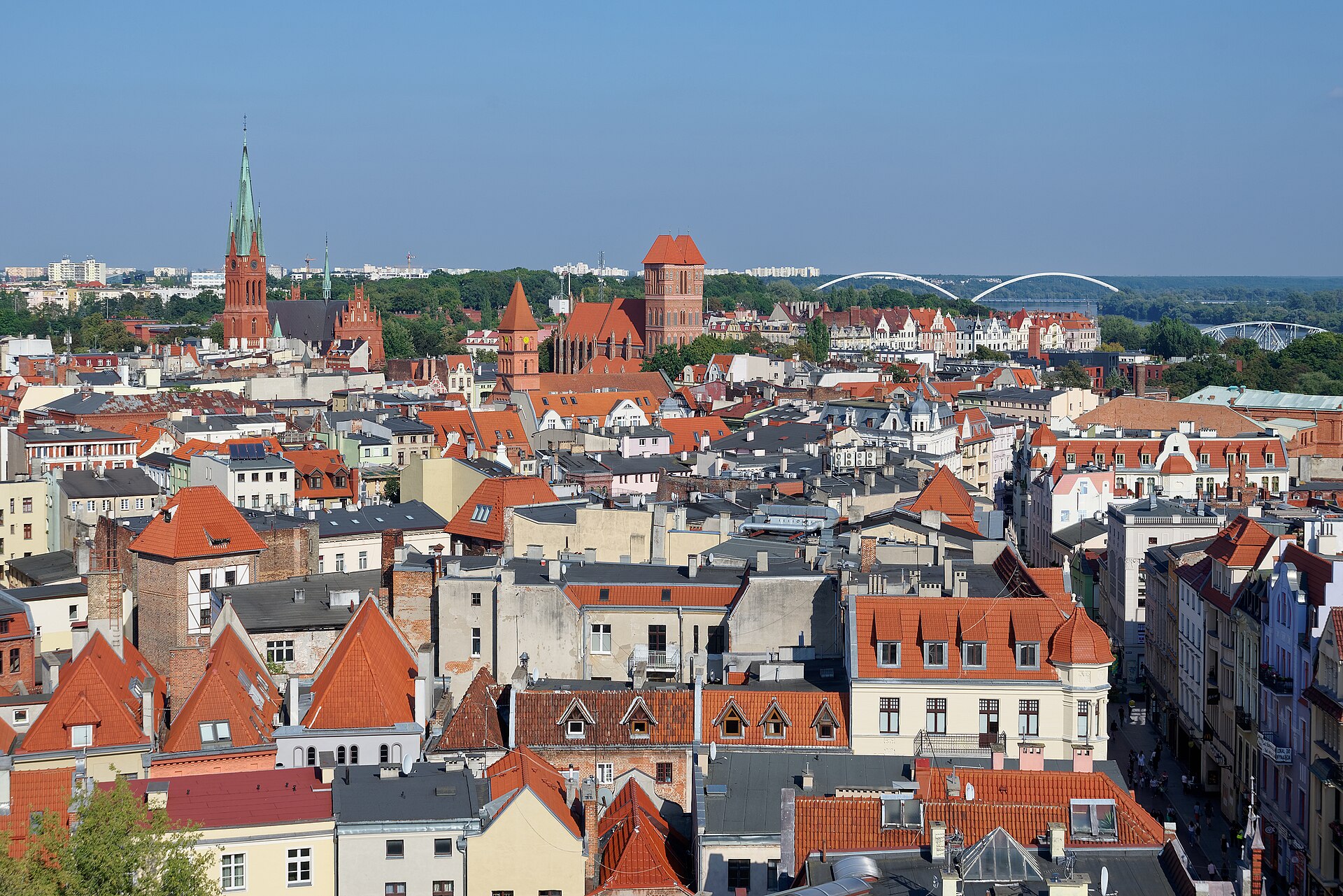
Hours matter here. The museum is closed on Mondays and opens Tuesday to Sunday, 10:00-18:00 from May to September and 10:00-16:00 from October to April. The tower keeps its own calendar and opens daily: 10:00-16:00 from November to March, 10:00-18:00 in April and October, and 10:00-20:00 from May to September. In late autumn that means the tower outlasts the museum by two hours a day, and the view from the top - red roofs, church spires and the Vistula bend - is the best orientation the city offers.
Data source: muzeum.torun.pl Old Town Hall branch page (prices, seasonal hours, tower hours); checked 23 October 2026.
The Copernicus House
Two Gothic tenements on Kopernika Street, joined into one museum, mark where the astronomer was born. The Copernicus House recreates a wealthy Hanseatic merchant's home - the world Copernicus grew up in - and layers exhibitions on his life and work through it, including a 3D film screened in a small cinema room. It is the branch that sells out first with school groups on weekday mornings, so early afternoon is the calmer slot.
As of the official branch page checked on 23 October 2026, admission costs 33 zł normal and 28 zł reduced, with the 3D film ticketed at 31 zł. The house keeps the same rhythm as the Town Hall: closed on Mondays, open Tuesday to Sunday 10:00-18:00 from May to September and 10:00-16:00 from October to April.
Data source: muzeum.torun.pl Copernicus House branch page (prices, 3D film, seasonal hours); checked 23 October 2026.
The Living Museum of Gingerbread
The Living Museum of Gingerbread, in a nineteenth-century granary near the market square, is not a museum in the glass-case sense: it is a 75-minute interactive show in which costumed gingerbread masters walk you through the historic recipe - honey, spices, wooden moulds - and you roll, press and bake your own piernik to take away. Children treat it as the highlight of the city; adults leave smelling of cloves with a warm biscuit in their pocket.
As of the official visiting page checked on 23 October 2026, the museum opens Monday to Sunday 10:00-18:00, with shows starting on the hour and the last show beginning at 17:00; the ticket office opens fifteen minutes before each show and cards are accepted. Tickets cost 42 zł for adults, 37 zł for children, students under 26 and seniors over 65, 35 zł for adults with disabilities, and entry is free for children under three. The 14:00 show is bilingual - led in English, with Polish added when Polish-speaking guests are in the room - which makes it the natural anchor for an expat visit; plan the rest of the day around it. German-language shows can be arranged in advance by email or phone.
Data source: muzeumpiernika.pl plan-your-visit page (hours, show format, prices, bilingual show time); checked 23 October 2026.
The Leaning Tower, the walls and the castle ruins
Toruń's own Pisa moment stands a few streets south of the square: the Leaning Tower, a medieval fortification that tilts about 1.5 metres off vertical. Legend says a Teutonic knight built it as penance; the records say it was one of the city's defensive towers, later a prison and a smithy. As of the official tourist information page checked on 23 October 2026, it opens daily 10:00-18:00 and costs 20 zł normal and 12 zł for children.
From the tower, the rest of the historic fabric is free. Long stretches of the city walls and gates survive along the Vistula side of the old town, including the surviving gates that once controlled the river trade. The ruins of the Teutonic Order castle, demolished by the townspeople in 1454 at the start of the Thirteen Years' War, sit at the old town's southern edge - a low archaeological footprint rather than a standing castle, but one of the few places in Poland where you can stand on the spot where a war with the Teutonic Order effectively began. Finish on the Vistula boulevards on the western edge: the panorama back across the water to the old town skyline is the classic Toruń postcard and the best free view in the city.
Data source: visittorun.com official tourist information pages for the Leaning Tower (hours, prices, history), city walls and gates, and Teutonic castle ruins; checked 23 October 2026.
Practical notes for the weekend
Everything in this guide sits within a fifteen-minute walk of the market square, so the old town needs no transport planning; stay inside or just outside the walls and you will walk everywhere. Museums close on Mondays, which makes a Saturday-Sunday weekend the right shape, with the gingerbread show at 14:00 on whichever day is busier. Direct trains link Toruń with Warsaw in roughly two and a half hours and with Gdansk in under two, making it an easy standalone weekend from either; check current timetables before you book. Toruń also pairs naturally with a stop in Gniezno, Poland's first capital, on a longer loop through the region. All prices and hours above are the official figures as of 23 October 2026, and the museum branches adjust their calendars seasonally.
Data source: hours and prices per the official pages cited above; linked Expats Poland guides; checked 23 October 2026.
* Photos: CC BY-SA 4.0 Andrzej Otrębski via Wikimedia Commons (Toruń old town panorama from across the Vistula, cover); CC BY-SA 4.0 Jakub Hałun via Wikimedia Commons (old town from the town hall tower, body).
Frequently asked questions
Is one day enough for Toruń?
One full day covers the essentials if you start early: the Old Town Hall and tower in the morning, the Copernicus House and cathedral before lunch, and the Living Museum of Gingerbread's 14:00 bilingual show in the afternoon. A weekend is more comfortable, adding the Leaning Tower, the Teutonic castle ruins, the city walls and an unhurried evening on the Vistula boulevards. Note that the museum branches close on Mondays, so a Sunday-Monday split loses the museums on the second day.
How much does the Toruń gingerbread museum cost?
As of the official visiting page checked on 23 October 2026, adults pay 42 zł, children, students under 26 and seniors over 65 pay 37 zł, adults with disabilities pay 35 zł, and children under three enter free. The visit is a guided 75-minute interactive show rather than a walk-around exhibition: shows start on the hour from 10:00, the last begins at 17:00, and the 14:00 show is bilingual in Polish and English.
What is free to see in Toruń?
The best of Toruń costs nothing: the medieval street grid itself, the city walls and gates, the ruins of the Teutonic Order castle, the Vistula boulevards with the classic panorama of the old town skyline, and the exterior of the Leaning Tower. The paid core (Town Hall museum and tower, Copernicus House, gingerbread museum, Leaning Tower interior) adds up to roughly 155 zł per adult at October 2026 prices if you buy the combined Town Hall ticket.