Gdynia Modernism Trail: Poland's Newest UNESCO World Heritage Site
The essentials: Gdynia's interwar modernist centre joined the UNESCO World Heritage List on 27 July 2026. The free, self-guided Modernism Trail covers it in three marked routes of one to two hours, starting at Gdynia Główna station. Add the InfoBox at 30 Świętojańska Street and the city museum (20 zł, free on Tuesdays).
A world heritage site built in a single decade
On Monday 27 July 2026, at the 48th session of the UNESCO World Heritage Committee in Busan, South Korea, Gdynia's modernist city centre was inscribed on the World Heritage List. It was Poland's only candidate in that cycle, and the decision closed a nomination process the city had pursued for years. The listed property, formally the "Gdynia Modernist City Centre", covers 87.9 hectares of the interwar centre with a 335.88-hectare buffer zone, and it was inscribed under criterion (iv), the category for outstanding examples of a type of building or urban ensemble.
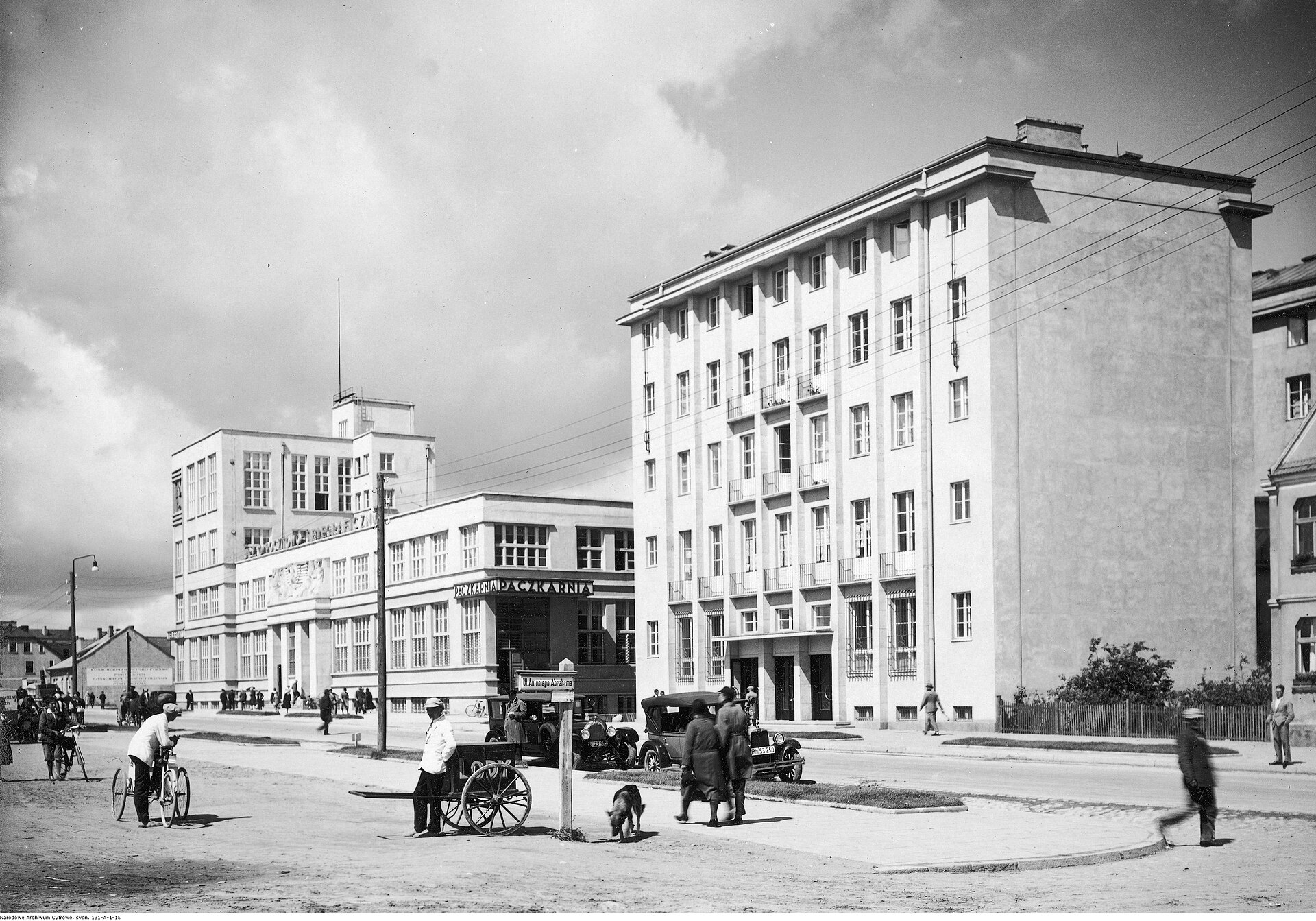
What UNESCO recognised is the speed and coherence of the experiment. In the early 1920s Gdynia was a fishing village; by 1939 it was one of the Baltic's busiest ports and a city of well over 100,000 people, built as Poland's own sea gateway while Gdansk sat outside the border. The centre went up in one planned burst: white and cream facades, flat roofs, ribbon windows and rounded, ship-like corners, laid out along two main axes that run from the railway station down to the sea. UNESCO's own description calls it one of the best-preserved examples of a twentieth-century modernist port city, an urban organism that kept its original functions, authenticity and integrity. For expats used to Poland's brick Gothic and reconstructed old towns, Gdynia is the opposite kind of monument: a whole city centre as a single work of interwar design.
Data source: whc.unesco.org listing 1715 (property area, buffer zone, criterion, description) and modernizmgdyni.pl inscription announcement (decision date, session, sole Polish candidacy); checked 23 October 2026.
The Modernism Trail: three marked routes
The city's official Gdynia Modernism Trail turns the listed area into three self-guided walking routes, all free and all starting within a short walk of Gdynia Główna, the main station. The flagship is the Essence of Modernism route: about 4.5 km and roughly two hours, beginning on Konstytucji Square in front of the station and ending at the Centre of Modernism in the former social-insurance building at 24 10 Lutego Street. A second route follows 10 Lutego Street down to the South Pier and takes about two hours, passing the housing complexes nicknamed "transatlantic ships" for their ocean-liner silhouettes, including the celebrated Bankowiec staircases. The third runs the length of Świętojańska Street, the city's main shopping axis, in about an hour, taking in the corner apartment houses where Świętojańska meets Żwirki i Wigury.
Mid-route on the Essence walk, the Gdynia Modernism InfoBox at 30 Świętojańska Street is the orientation stop: a small exhibition on the icons of Gdynia modernism with a large-format model of the city on which the listed area is illuminated. It is the best place to understand the boundaries of what UNESCO actually listed before you look at individual facades.
Data source: modernizmgdyni.pl routes overview and Essence of Modernism route pages (route names, distances, times, stops, InfoBox address); checked 23 October 2026.
The buildings to look for
The Essence route alone strings together most of the icons. It opens with two landmarks on Konstytucji Square: the main railway station itself and the District Court building, then continues past the City Market Hall complex on Wójta Radtkego Street, a working interwar market that still sells food under its modernist shell. On Starowiejska Street, Abraham's House at number 30 is the oldest layer of the story - the early-twentieth-century house of Kashubian activist Antoni Abraham, where the city's history collection began - with the Hunsdorff family apartment house a few doors down.
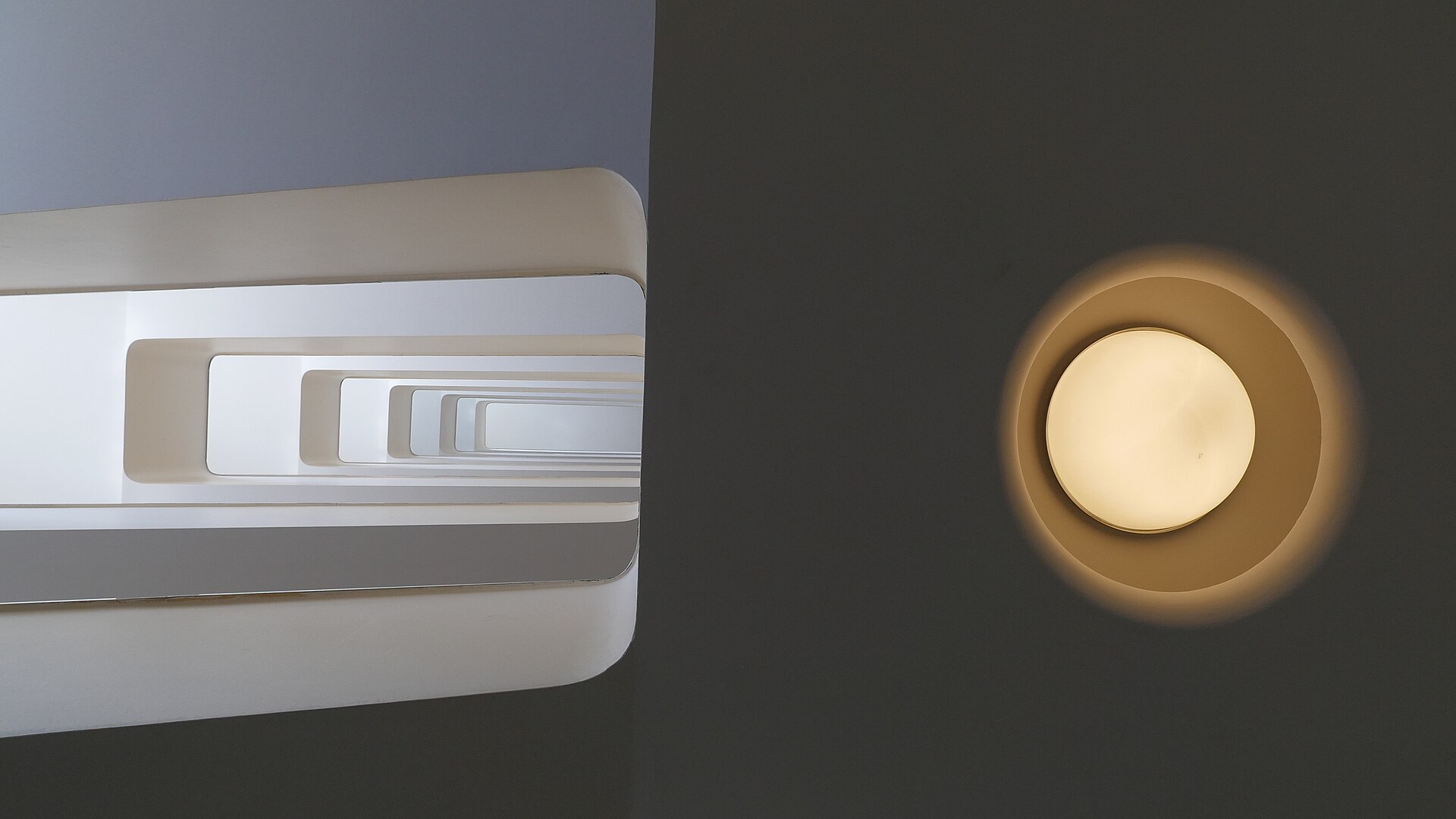
The 10 Lutego Street cluster is the architectural core: the former Bank Gospodarstwa Krajowego headquarters at number 8 (now a PKO bank branch), the monumental Main Post Office at number 10, and the former ZUS social-insurance building at number 24 that now houses the Centre of Modernism. One block over, at 27-31 3 Maja Street, stands the Bankowiec, the BGK residential building once counted among the most modern apartment houses in pre-war Poland; its white staircase wells, decorated landings and porthole details are the single most photographed interiors of Gdynia modernism. Towards the sea, the route passes the Jurkowski and Pręczkowski apartment houses on Kościuszki Square and the pre-war Passenger Coastal Sailing Station on Jana Pawła II Avenue, with the Gdynia Aquarium, itself an interwar building, at the waterfront end.
Data source: modernizmgdyni.pl Essence of Modernism route stop list and building notes; checked 23 October 2026.
The Museum of the City of Gdynia: the context stop
The Museum of the City of Gdynia, at 1A Zawiszy Czarnego Street by the waterfront, is where the trail's story gets its documents, photographs and models. The permanent exhibition "Gdynia - An Open Work" spreads across the second and third floors and covers the city's compressed century, from fishing village to port metropolis. The building itself, opened on 16 November 2007, sits where the centre meets the sea, a fifteen-minute walk from the end of the Essence route.
As of the official visiting page checked on 23 October 2026, tickets cost 20 zł normal, 12 zł reduced and 45 zł for a family of two adults with children under 18; children under seven enter free, and every Tuesday admission is free for everyone. The museum opens Tuesday to Friday 10:00-18:00 and on weekends and holidays 10:00-17:00, is closed on Mondays, and admits its last visitors thirty minutes before closing. School groups take over the permanent exhibition on weekday mornings (Tuesday to Friday, 10:30-13:30), which the museum warns can mean a busier, louder visit - a quiet weekday afternoon or the free Tuesday evening slot is the calmer choice. Note the museum is closed on 1 November, All Saints' Day, in its published 2026 holiday list.
Data source: muzeumgdynia.pl visiting page (address, prices, free Tuesday, hours, holiday closures) and museum history page (opening date, permanent exhibition); checked 23 October 2026.
Guided tours and the architecture calendar
The trail is designed for independent walking, but the city layers organised events on top. The Weekend of Architecture has run every year at the end of summer since 2011, opening buildings that are normally closed. In summer, the "Holidays with Modernism" programme offers guided tours along the city-centre routes, and themed walks reach the modernist fabric of outer districts such as Działki Leśne, Grabówek, Redłowo, Witomino, Orłowo and Chylonia. A long-running photo competition, "Gdynia Modernism in Lens", rounds out the calendar; its 2026 edition was the sixteenth. For an autumn or winter visit the self-guided routes remain fully walkable, and the InfoBox and museum carry the interpretive weight when guided tours pause.
Data source: modernizmgdyni.pl routes page (Weekend of Architecture since 2011, Holidays with Modernism, district walks, photo competition); checked 23 October 2026.
Practical notes for the walk
Start at Gdynia Główna: the SKM urban railway links it to Sopot and Gdansk in minutes, so the trail bolts onto any Tricity stay, and our Gdynia transport ticket guide covers the ZKM system if you are staying longer. The full Essence route is flat, paved and pushchair-friendly, and two hours at a photographing pace is realistic. Buildings on the route are mostly lived-in or working offices, so interiors are limited to public ones: the market hall, the post office, the InfoBox and the Centre of Modernism. For the harbour-side context, pair the walk with our Gdynia weekend guide, which covers the museum ships, the Emigration Museum and the beaches the modernist city was built to serve. All prices and hours above are the official figures as of 23 October 2026; the trail itself is free at any hour.
Data source: route distances and times per modernizmgdyni.pl; museum hours and prices per muzeumgdynia.pl; linked Expats Poland guides; checked 23 October 2026.
* Photos: CC0 Bart Lumber via Wikimedia Commons (staircase of the Bankowiec, the former BGK residential building, cover); Public domain, Henryk Poddębski via Wikimedia Commons (interwar Gdynia street scene, body).
Frequently asked questions
Is the Gdynia Modernism Trail free?
Yes. As of October 2026 the trail is a set of three marked walking routes through public streets, so walking it costs nothing and needs no booking. The paid extras are optional: the Museum of the City of Gdynia charges 20 zł normal and 12 zł reduced (45 zł family, free on Tuesdays and for children under seven), and the city runs seasonal guided walks such as the summer Holidays with Modernism tours.
What exactly did UNESCO list in Gdynia?
The listing, decided on 27 July 2026, covers the "Gdynia Modernist City Centre": the interwar planned blocks along the city's two main axes, including the centre's preserved 1920s and 1930s buildings and the villas on Kamienna Góra hill. The property covers 87.9 hectares with a 335.88-hectare buffer zone, and it was inscribed under criterion (iv) as an outstanding example of a twentieth-century modernist port city built in a single burst between the world wars.
How long does the Gdynia Modernism Trail take?
The flagship Essence of Modernism route is about 4.5 km and takes roughly two hours on foot, from Konstytucji Square by the main station to the Centre of Modernism at 24 10 Lutego Street. The 10 Lutego Street to South Pier route takes about two hours, and the Świętojańska Street route about one hour. Add one to two hours if you include the Museum of the City of Gdynia, which is a fifteen-minute walk from the end of the Essence route.