Wspolnota Mieszkaniowa: Polish Housing Community Fees and Votes
Short answer: Every flat owner in a Polish building belongs to its wspolnota mieszkaniowa and pays monthly advances by the 10th; costs and votes follow the area-based share, a board runs daily affairs, major actions need a resolution, and persistent non-payment can end in a court-ordered auction of the flat.
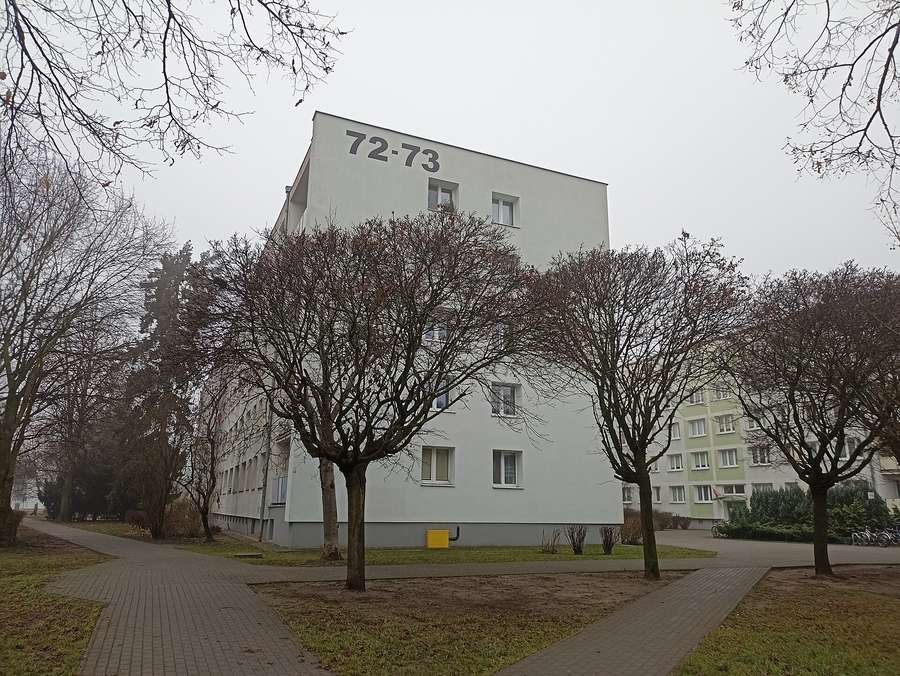
Buy a flat in a Polish apartment building and you automatically become a member of its wspolnota mieszkaniowa - the housing community of all owners in the property - with a monthly fee to pay, votes to cast and a board that runs the place. Expats often meet the system first through the monthly "czynsz" bill and only later discover the law behind it. As of October 14, 2026, that law is the Act on Ownership of Premises (ustawa o wlasnosci lokali, consolidated text Dz.U. 2026 poz. 232). Here is how it actually works.
The wspolnota is a legal creature, and you are in it
All owners whose flats belong to a given property together form the wspolnota mieszkaniowa (art. 6). It is not a club you join: it exists by operation of law, can acquire rights, take on obligations, sue and be sued. Every owner holds a share (udzial) in the common property - the land and every part of the building and its installations that does not serve only one flat (art. 3 ust. 1-2). Your share is proportional: the usable area of your flat plus its ancillary rooms, against the total usable area of all flats with theirs (art. 3 ust. 3).
That share is the master key to the whole system: it sets both your slice of the costs and the weight of your vote.
The monthly fee: what it is and when it is due
The common property costs money - repairs and ongoing maintenance, electricity, heat, gas and water for the common parts, and the other management costs listed in art. 14. To cover them, owners pay monthly advances (zaliczki) in the form of current charges, payable in advance by the 10th of each month (art. 15 ust. 1).
Two rules shape the size of your bill:
- Costs follow the share. Income from the common property first covers its upkeep; whatever is left belongs to the owners in proportion to their shares, and in exactly the same proportion owners bear the costs not covered by income (art. 12 ust. 2). Bigger flat, bigger bill.
- Commercial units can be loaded more. An owners' resolution can increase the cost burden on owners of commercial premises (lokale uzytkowe) if their use of the property justifies it (art. 12 ust. 3).
On top of that, each owner maintains their own flat at their own expense, follows the house rules (porzadek domowy) and must let the management in when entry is needed to maintain, repair or fix the common installations (art. 13).
The nuclear sanction for non-payment
If an owner persistently fails to pay, or flagrantly and persistently breaks the house rules, the wspolnota can go to court and demand the sale of the flat by auction under the enforcement rules (art. 16 ust. 1). The dispossessed owner has no right to a substitute flat (art. 16 ust. 2). It is a last-resort remedy and rare in practice, but it is on the books - and it explains why administrators treat arrears seriously.
Who runs the building: the zarzad
In any property with more than three units, the owners must pass a resolution electing a management board (zarzad) of one or more people (art. 20 ust. 1). The board directs the wspolnota's affairs and represents it externally and toward individual owners (art. 21 ust. 1). Board members can be suspended or removed by resolution at any time (art. 20 ust. 2).
Day-to-day management is the board's to run alone (art. 22 ust. 1). Anything beyond ordinary management needs an owners' resolution authorizing it - and the statute's own examples include setting the remuneration of the board or the property manager and adopting the annual economic plan (art. 22 ust. 2-3). In practice many wspolnoty also hire a professional manager (zarzadca), whose pay likewise comes from the owners' charges.
Your vote is worth your square meters
Resolutions pass at a meeting or by individually collected votes, and they pass by a majority of votes weighted by the size of each owner's share (art. 23 ust. 1-2) - unless the owners have resolved that in a given matter each owner gets one vote. Where one owner holds a majority of shares or the shares do not sum cleanly, owners holding at least one fifth of the shares can demand one-vote-per-owner voting (art. 23 ust. 2a).
This is the rule expat landlords most often learn the hard way: in a building dominated by one large owner, small owners' voices are structurally quiet, and the statutory one-fifth mechanism is the counterweight.
Liability: capped at your share
For obligations concerning the common property, the wspolnota answers without limit - and each owner answers up to the part corresponding to their share (art. 17). Buying into a building means buying into its balance sheet, which is why reading the last economic plan and the amount of any arrears in the community belongs on the pre-purchase checklist.
Renting the flat out? The rules still bind
The duties in this system attach to the owner, not the occupant. If you rent out your flat, the monthly charges are still yours to pay (how you split them with the tenant is your contract's business), the vote is still yours, and the art. 16 sanction still targets the owner's flat.
Frequently asked questions
### Is the monthly czynsz to the wspolnota mandatory?
Yes. Monthly advances toward management costs are a statutory obligation of every owner, payable in advance by the 10th of each month (art. 15 ust. 1). They are separate from your own utilities.
Can the wspolnota really take my flat for unpaid fees?
In the extreme, yes: for persistent arrears or flagrant rule-breaking it can sue for auction sale of the flat (art. 16). It is a court process and a last resort, but it exists.
How much say do I get in building decisions?
Votes are weighted by your ownership share in the common property (art. 23 ust. 2) - proportional to your flat's usable area (art. 3 ust. 3). Major actions beyond day-to-day management require an owners' resolution (art. 22).
Do I have to let the management into my flat?
Yes, when entry is necessary for maintenance, repair or failure removal of the common property, or to install additional installations - on the management's demand (art. 13 ust. 2).