Dzień Kobiet: Women's Day in Poland, from carnations to tulips
The essentials: Dzień Kobiet is Women's Day in Poland on 8 March - not a public holiday, but a major social occasion: men give tulips (never carnations, the communist-era flower) to colleagues and loved ones, and florist traffic quadruples on the day.
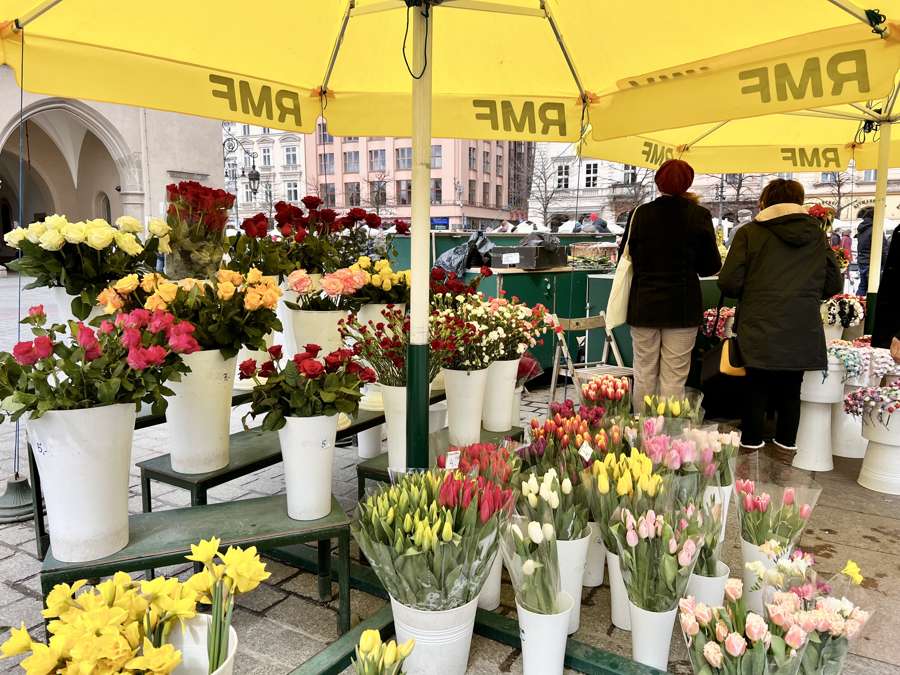
In the second week of March, Poland changes color. Buckets of tulips appear at every florist, supermarket entrance and petrol station; men hurry home clutching yellow and red bunches; at the office, someone quietly distributes flowers at the women's desks. This is Dzień Kobiet - Women's Day, 8 March - a holiday with a socialist past, a capitalist present, and a set of unwritten rules every expat learns the awkward way.
Here is what the day means in Poland, where it came from, and how to navigate it at work.
Older than you think
International Women's Day grew out of the labor movement: a 1908 march of 15,000 women in New York demanding shorter hours, better pay and the vote, then Clara Zetkin's proposal at the 1910 International Socialist Women's Conference in Copenhagen, adopted unanimously by 100 delegates from 17 countries. The date itself comes from Russia: a women's strike for "bread and peace" that began on 23 February 1917 in the Julian calendar - 8 March in the Gregorian one - and helped topple the Tsar within days. The UN officially adopted 8 March in 1975.
Poland's own chapter runs deep too. Polish feminists were active early, and Poland granted women the vote in 1918, among the first countries in Europe. The first Women's Day celebrations on Polish soil date to the interwar years.
The communist-era holiday
The day Poles over forty remember is the PRL version. Under the Polish People's Republic, Dzień Kobiet was an official state holiday - though not a day off. Celebration happened at the workplace: speeches, food, sometimes vodka, and small gifts for female colleagues, often precisely the things communism made scarce - nylon tights, coffee, chocolate. Men were expected to give wishes not just to family but to shop assistants and even strangers on the street. The official flower was the red carnation, handed out by the million at factory gates and offices.
That era left two legacies. First, the reflex: 8 March as a day of flowers and wishes at work is still muscle memory in Polish offices. Second, the backlash: because the carnation was the regime's flower, it became *flower non grata* after 1989 - giving carnations today can read as tone-deaf or ironically retro. Tulips and roses took their place.
The PRL version also played against an older cultural script: Matka Polka, the idealized Polish Mother - self-sacrificing, patriotic, running the home while history happened elsewhere. The communist state recast her as worker-mother, celebrated once a year with a carnation; the tension between that official flattery and the reality of queues and double shifts is exactly why the day's socialist version left such a sour aftertaste for many women who lived it.
The modern flower economy
If you doubt the holiday is alive, watch the numbers. Analysis of card transactions by payments company ZEN.COM shows florist activity on 8 March running nearly four times the previous day's level, with the average bouquet costing 110-130 złoty and the rush peaking around 17:00 as people shop after work. Beauty, jewelry and fashion sales spike alongside; spa and wellness purchases jump the day *before*, as people plan gifts. Online orders rise in the days ahead, but on the day itself the last-minute physical bunch wins.
The practical translation: buy your tulips early, expect queues at flower stalls after work, and don't be surprised by a line of men at the supermarket flower bucket at 17:30.
How it works at the office
Women's Day is not a public holiday - it's a normal working day with a social layer on top. In many Polish workplaces someone organizes flowers or small gifts for the women on the team; in others, individual men bring a tulip for each female colleague. In international companies it can be more muted, sometimes just a greeting email or a post on the intranet. Larger employers increasingly treat it as an HR moment: flower budgets for the office, small gift vouchers, wellness perks or an internal event with a guest speaker. The safe expat play in your first year is to observe what your specific workplace does and match it: if flowers appear, join in next time; if the day passes quietly, a simple "wszystkiego najlepszego" to colleagues is never wrong. Partners and mothers are a different matter - there the flower is close to obligatory.
The day also has a genuinely commercial side now: sales, spa packages and "ladies' night" promotions blanket early March, which is also its main criticism - that a day born from a fight for rights has been reduced to marketing and tulips.
At home: breakfast, flowers, cards
Away from the office, the day is warm rather than grand. Husbands and sons bring flowers for wives, mothers and grandmothers - often with breakfast handled by someone else for once - and children come home from school with handmade cards and paper flowers. Schools and kindergartens sometimes mark the day with small ceremonies or a lesson about the holiday. Nobody cooks a special meal and there is no fixed ritual beyond the flowers and the wishes: it is a light, affectionate occasion, closer in weight to a name day than to Christmas. For expat families, joining in costs one bunch of tulips and earns a disproportionate amount of goodwill.
The other 8 March
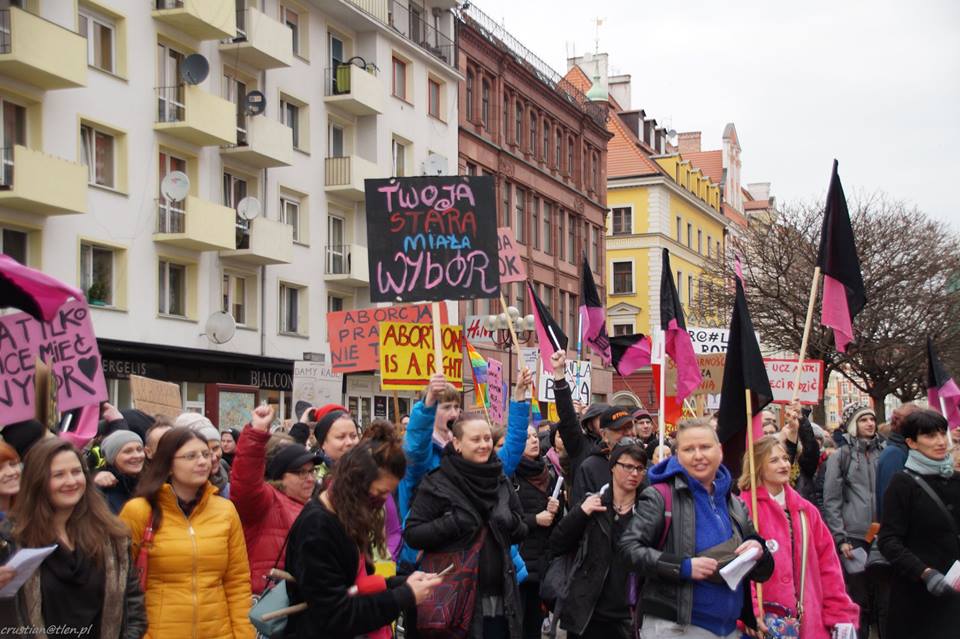
And that fight is visibly not over in Poland. Since 2000, the Manifa - an annual feminist march - has taken to the streets of Warsaw and other cities around 8 March, campaigning on equal pay, reproductive rights and domestic violence. The day sits inside a live political debate: the 2020 abortion ruling, one of Europe's strictest, brought mass street protests, and women's issues were a mobilizing force in the 2023 election that changed the government. For an expat, the useful takeaway is simply awareness: among some colleagues, especially younger ones, the flowers-and-wishes frame can feel outdated, while for others it remains a beloved ritual. Reading the room matters more here than in most Polish customs.
Don't forget the men
Poland keeps the symmetry local: Dzień Mężczyzn, Men's Day, falls two days later, on 10 March - a much quieter occasion. The more popular male holiday is actually Dzień Chłopaka ("Boy's Day") on 30 September, when boyfriends and sons receive small gifts. And if all this flower economics sounds familiar, it should: Poland's Valentine's Day runs the same playbook three weeks earlier - imported holiday, florists' bonanza, carnations strictly excluded.
Cover photo: a flower stall in Kraków in spring by Kgbo, CC BY-SA 4.0. Photo above: the 2018 Manifa march in Wrocław by Mafo, CC BY-SA 4.0.
Frequently asked questions
Is Women's Day controversial in Poland?
It can be. Some see the flowers-and-wishes ritual as charming tradition; others see it as a hollow substitute for real equality, or reject it as a communist relic. The Manifa marches and the commercial tulip rush happen on the same day. Nobody will fault an expat for either participating or abstaining - just don't joke about it until you know the room.
Is Women's Day a public holiday in Poland?
No. 8 March is a normal working day - it was an official state holiday under communism but never a day off, and since 1989 it has no official status. Celebration happens socially: at work, at home and in shops.
Why do Poles give tulips on Women's Day, not carnations?
The red carnation was the official flower of Women's Day in the communist era, handed out at factories and offices. After 1989 it became associated with the regime, so tulips and roses replaced it. Carnations today read as a political statement or a retro joke.
Should I give flowers to female colleagues on 8 March?
Watch your workplace first. In many Polish offices, men bring a tulip for each female colleague or the company organizes flowers for everyone; in international firms the day may pass with just greetings. Matching what your team does is the safe move, and a verbal wish is always appropriate.
How much do flowers cost around Women's Day?
Expect 110-130 złoty for an average bouquet, based on 2026 payment data - and florist traffic roughly quadruples on the day, peaking after work around 17:00. Buying a day early saves both money and queue time.
Is there a Men's Day in Poland?
Yes - Dzień Mężczyzn on 10 March, two days after Women's Day, though it is far quieter. The more widely observed male occasion is Dzień Chłopaka (Boy's Day) on 30 September, when partners give small gifts to boyfriends and husbands.
What is the Manifa?
The Manifa is Poland's annual feminist march held around 8 March, first organized in 2000. It campaigns on issues like equal pay, reproductive rights and domestic violence, and represents the activist side of a day that in Poland splits between flowers in the office and protest in the streets.