Grandparents Day in Poland: Dzień Babci and Dzień Dziadka Explained
The essentials: Poland celebrates Grandmother's Day (Dzień Babci) every 21 January and Grandfather's Day (Dzień Dziadka) every 22 January. Neither is a public holiday: children give handmade laurki cards, kindergartens stage performances, and families visit or call.
Poland does grandparents properly. Instead of one shared day on the calendar, it has two: Dzień Babci (Grandmother's Day) on 21 January and Dzień Dziadka (Grandfather's Day) on 22 January, every year, on fixed dates. In 2027 they fall on a Thursday and a Friday, and if you have children in a Polish kindergarten or school, you will hear about both.
For expat families the two days are a gentle introduction to how seriously Poland takes intergenerational ties - and a practical heads-up that handmade cards, flowers and phone calls are not optional extras. Here is where the holidays came from and how they are actually celebrated.
The dates: always 21 and 22 January
Mid-January placement also makes them the first family ritual of the new calendar year, landing just after the Christmas and New Year stretch when Polish family life is already at its most ceremonial. For schools and kindergartens they double as a natural occasion for intergenerational events early in the spring term.
Unlike Easter-linked feasts, these dates never move. Dzień Babci is 21 January and Dzień Dziadka is 22 January, full stop. Neither is a public holiday: offices, shops and schools run normally, and the celebration folds into an ordinary January weekday. Florists and card shops do brisk business, kindergarten halls fill with grandparents watching performances, and family dinners stretch a little longer - but nobody gets the day off.
* Data source: TVP Kultura explainer on the two holidays (published 16 January 2026) and Dorzeczy Historia (21 January 2023), checked 23 October 2026.
How Grandmother's Day began: a Poznań theatre story
The holiday is younger than most people assume. In 1964 the weekly magazine Kobieta i Życie floated the idea of a day honouring grandmothers. A year later the idea took root in Poznań, almost by accident. On 21 January 1965 the celebrated pre-war actress Mieczysława Ćwiklińska was performing the role of the grandmother in Alejandro Casona's play "The Trees Die Standing" at a Poznań theatre - three weeks after her 85th birthday. Ryszard Danecki, a journalist at Express Poznański, presented her on stage with flowers and a cake, explaining that Poznań was marking Grandmother's Day that very day. The gesture caught on: Warsaw's Express Wieczorny wrote about it the same evening, and on 21 January 1966 the day was declared Grandmother's Day across Poland.
* Data source: Dorzeczy Historia (21 January 2023), TVP Kultura (16 January 2026) and the National Museum in Szczecin's holiday note, checked 23 October 2026.
How Grandfather's Day followed
The grandfather's counterpart arrived later and more bureaucratically. In 1978 Telewizja Polska ran a public competition to choose a date for a grandfathers' day. One popular candidate was 30 May - the birthday of Mieczysław Fogg, the much-loved interwar and post-war singer - but the idea never won people over. The simpler solution stuck: place Grandfather's Day immediately after Grandmother's Day, on 22 January. The date was officially written into the Polish holiday calendar in 1981.
* Data source: TVP Kultura (16 January 2026) and the National Museum in Szczecin holiday note, checked 23 October 2026.
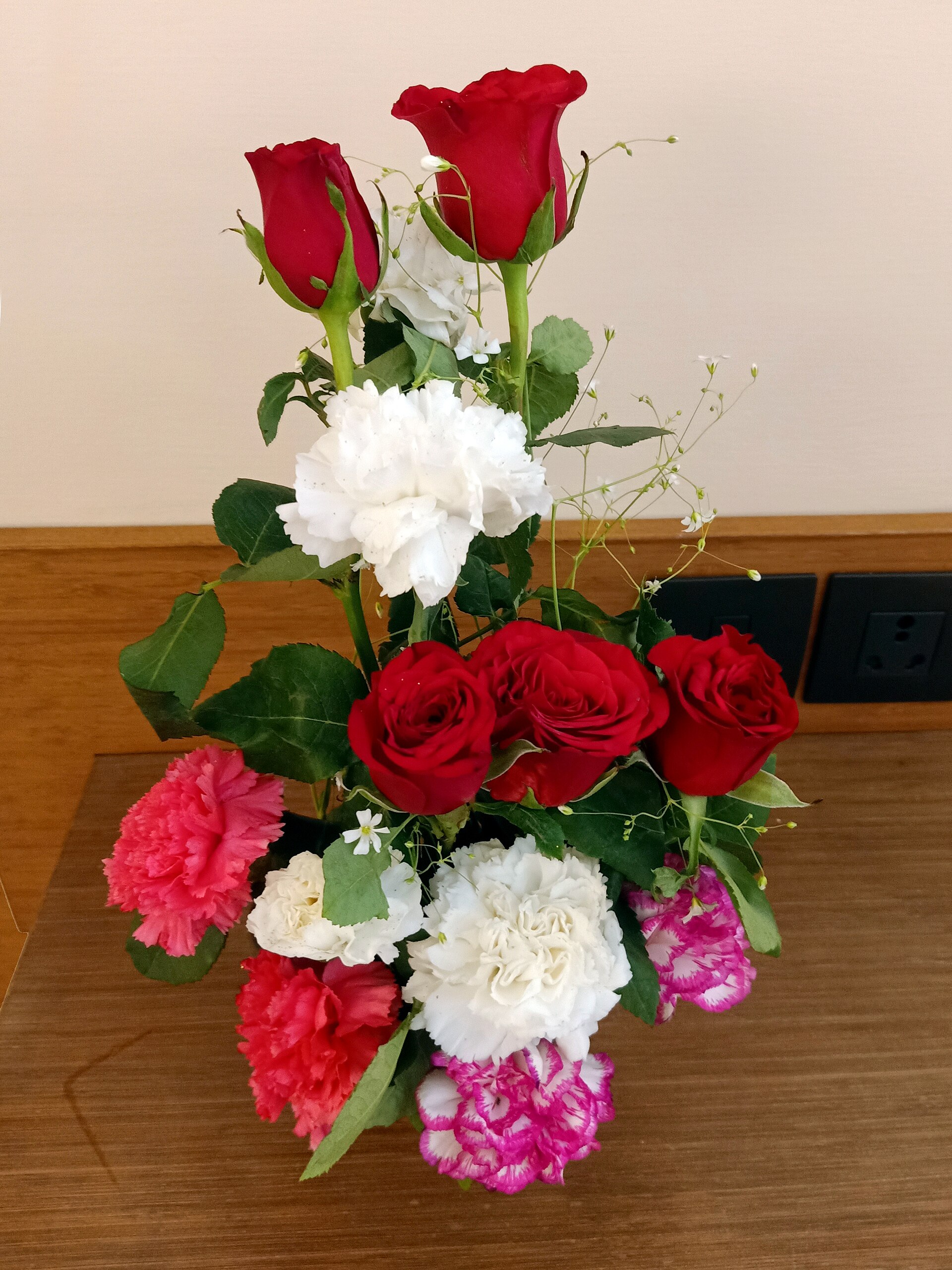
How Poland celebrates: laurki, concerts and flowers
The centre of the tradition is the laurka - a handmade card decorated with drawings, glued paper flowers and a child's handwritten wishes. Kindergartens and early primary classes spend January sessions making them, and many schools stage short concerts or poetry recitals to which grandparents are invited, followed by tea and cake. At home, the ritual is simple: children hand over their laurki, adults bring flowers or a small gift, and everyone eats something sweet.
Retail joins in modestly: card shops and florists stock themed designs in the weeks before, and supermarkets set out potted plants and chocolates near the tills. The commercial layer stays small compared with Christmas or Valentine's Day, which most Poles seem to consider part of the charm.
The emotional weight behind the custom is measurable. TVP cites CBOS research on the role of grandparents showing that 75 percent of Poles credit their grandparents with care, upbringing, being loved and the moral principles they carry into adult life. If a visit is impossible, a phone call is the accepted minimum - and the holidays are also a moment when families remember grandparents who have died.
* Data source: TVP Kultura explainer including CBOS findings (16 January 2026), checked 23 October 2026.
How other countries do it
Poland's two-day split is unusual. The United States celebrates a single National Grandparents Day on the first Sunday after Labor Day, a tradition started in the 1970s. Italy marks La Festa dei Nonni on 2 October, a holiday created in 2005. Japan has observed Respect for the Aged Day on 15 September since 1966, treating it as a broader honouring of seniors. Brazil and Bulgaria, like Poland, mark 21 January for grandmothers. Wherever it falls, the point is the same: gratitude, and time together.
* Data source: TVP Kultura explainer (16 January 2026), checked 23 October 2026.
What expat families should expect
A note on names: babcia is the everyday word for grandmother and dziadek for grandfather, and children use them as terms of address, much like "grandma" and "grandpa". The diminutives babciu and dziadziu are what you will hear across the dinner table. Wishes are simple and formulaic - dużo zdrowia (lots of health) leads nearly every laurka - and nobody expects poetry from a five-year-old, only effort and glitter glue.
If your child goes to a Polish przedszkole, mid-January brings laurka production and probably an invitation for grandparents to a performance - schools are used to grandparents joining by video call when family lives abroad, so ask the teachers how they handle it. If you are the adult child in the equation, the norm is flowers, a small gift or at minimum a call on both days: grandmothers on the 21st, grandfathers on the 22nd. Skipping your babcia on her day is the kind of thing Polish families remember until next January. And if your children's other grandparents live in another country, the two days are a good prompt to schedule the call in advance rather than improvise it between meetings.
Poland's family calendar is full of these fixed rituals - the same season also brings Mikołajki gift-giving on 6 December and the Wigilia Christmas Eve supper, and our guide to Polish Christmas traditions covers the rest of the winter stretch.
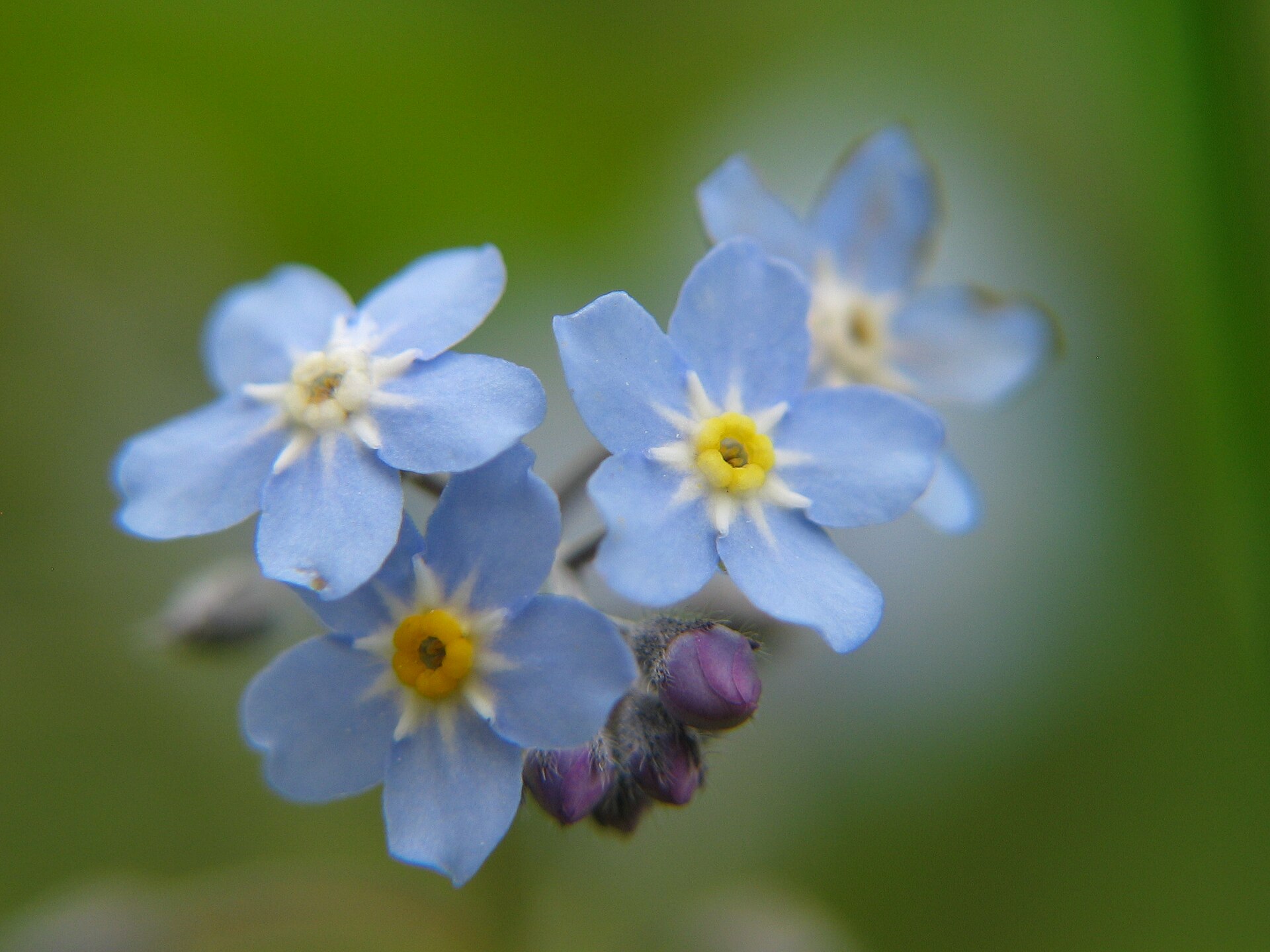
* Photos: Public domain, Jonas Bergsten via Wikimedia Commons (forget-me-not flowers, the day's symbolic flower, cover); CC BY-SA 4.0 Suyash Dwivedi via Wikimedia Commons (rose and carnation bouquet, body).
Frequently asked questions
When is Grandmother's Day in Poland?
Always on 21 January, whatever the weekday. In 2027 that is a Thursday. The date does not move with Easter or any other calendar - it has been fixed since the holiday spread nationwide in 1966.
When is Grandfather's Day in Poland?
Always on 22 January, the day after Grandmother's Day. In 2027 it falls on a Friday. The pairing is deliberate: when Poland added a day for grandfathers, it was placed straight after the established day for grandmothers.
Are Dzień Babci and Dzień Dziadka public holidays?
No. Both are normal working days. The celebration happens inside families and institutions: kindergartens and schools invite grandparents to performances, florists and card shops see a January bump, and families visit or call in the evening.
What is a laurka?
A laurka is a handmade greeting card, typically decorated with drawings, cut-out paper flowers and a short rhyme or wishes written by a child. Making laurki for grandparents is a standard January activity in Polish kindergartens and early primary classes, and receiving one is the emotional centre of both holidays.
Is Grandparents Day only celebrated in Poland?
No, but Poland's split into two separate days is unusual. The United States marks a single National Grandparents Day on the first Sunday after Labor Day, Italy celebrates La Festa dei Nonni on 2 October, and Japan has marked Respect for the Aged Day on 15 September since 1966. Brazil and Bulgaria share Poland's 21 January date for grandmothers.
What should an expat parent in Poland expect in January?
If your child attends a Polish przedszkole, expect laurka-making and a grandparents' concert around 21-22 January - grandparents living abroad are often asked to join by video call. If you are the grandchild generation, a phone call or flowers on both days is the norm; skipping your grandmother on the 21st will be noticed.