Historic Building Tax Relief in Poland: Ulga na Zabytki
Short answer: Owners or co-owners of a listed building can deduct up to 50% of renovation fund payments and of conservation work from income, using PIT-37, PIT-36, PIT-36L or PIT-28 with PIT/O.
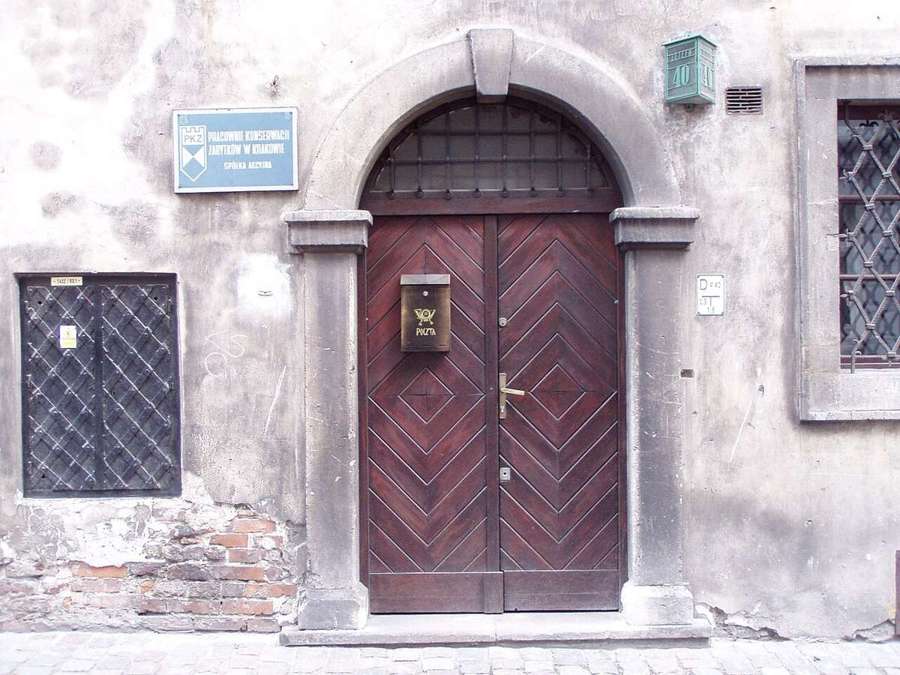
Poland has a personal income tax relief for owners of historic buildings. It is called ulga na zabytki, and it applies to anyone who owns or co-owns a listed property, including a flat in an old tenement house. If you buy a flat in a historic kamienica in Kraków, Łódź, Gdańsk or Wrocław, it is worth knowing how the relief works before your first annual tax return. The rules below follow the tax administration page Ulga na zabytki PIT on podatki.gov.pl (published 15.12.2025, updated 6.10.2026).
Who can use the relief
You can use it if you are the owner or co-owner of an immovable monument (zabytek nieruchomy) and your income is taxed in one of three ways: on the tax scale, with the 19% flat tax, or with the lump-sum tax on registered revenue (ryczałt od przychodów ewidencjonowanych). The tax office stresses that you must be the owner at the moment you pay for the work or make the payment. Owning the property later does not help for earlier spending.
What you can deduct
Since 2023 the relief covers two kinds of spending. The first is payments into the renovation fund (fundusz remontowy) of a housing community or housing cooperative, for a building listed in the register of monuments or in the records of monuments (ewidencja zabytków). The second is conservation, restoration and construction work on a building that is entered in the register of monuments.
The limit is up to 50% of the spending. For renovation fund payments, 50% of the amount paid. For conservation, restoration and building works, 50% of the gross amount, meaning the cost plus VAT, as long as that VAT was not deducted under the VAT act.
The page also describes older rules that still apply in narrow cases. Spending made up to the end of 2022 on work in a building from the records of monuments keeps its right to deduction. So does a 2022 purchase of a register-listed monument, within a cap of PLN 500 per square metre of usable area and PLN 500,000 in total.
What you need to prove it
For renovation fund payments you need proof of payment, or a certificate from the housing community or cooperative showing how much you paid in the tax year. For works on a register-listed monument the conditions are stricter:
- a written permit from the voivodeship conservator of monuments (wojewódzki konserwator zabytków) for the work,
- a certificate from the conservator confirming the work was carried out,
- an invoice from a VAT payer who is not using the VAT exemption.
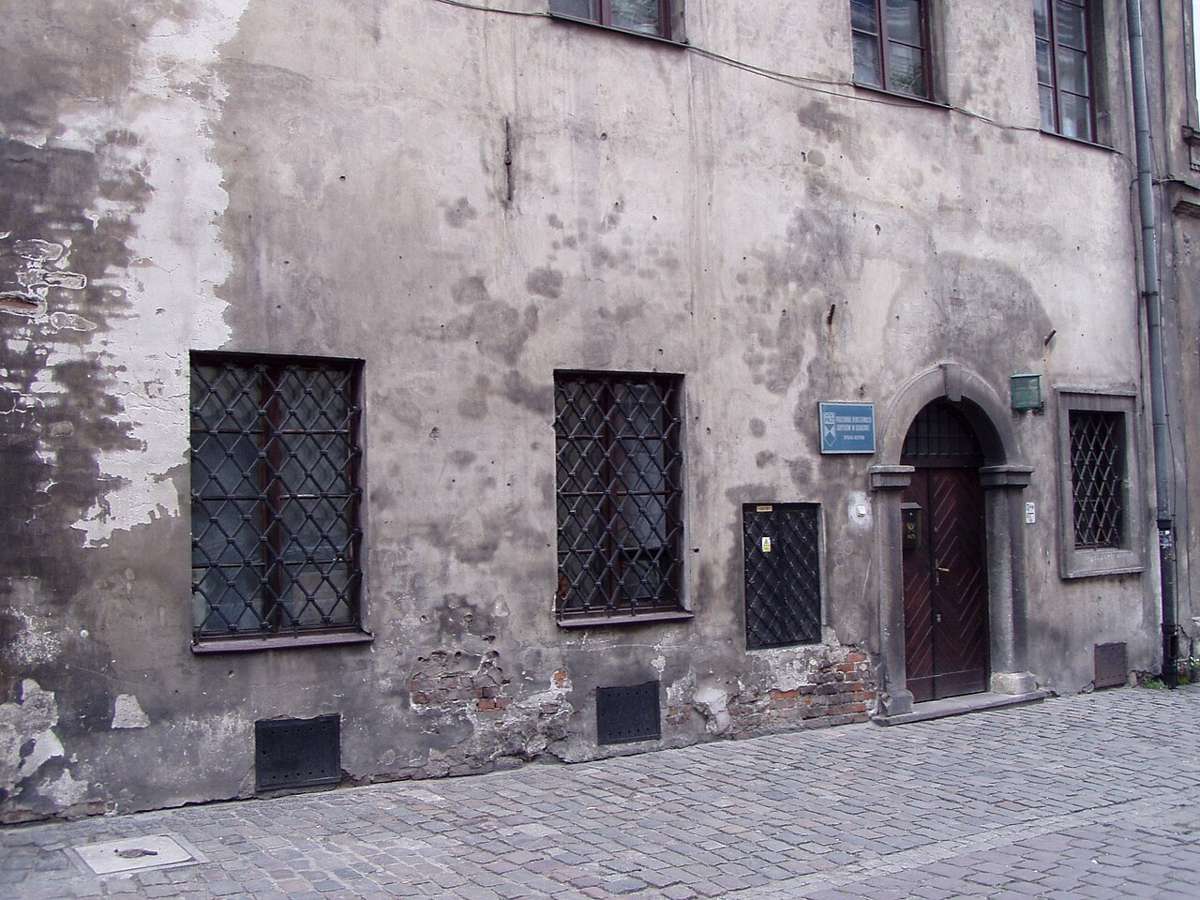
* Photos: Building in 40 Józefa Street in Krakow, Wikimedia Commons, public domain.
What does not qualify
You cannot claim spending that you already deducted in another tax return for the same year, for example in a PIT-28 and again in a PIT-37. You also cannot claim spending already used under another relief such as the thermo-modernisation relief, spending outside the scope of the conservator permit or done against it, or spending that was refunded to you in any form. If a refund arrives after the year in which you deducted the cost, you add it back to income in the year you receive it.
How much you save: the official examples
The tax office gives two worked examples with 2026 figures. In the first, an owner of a flat in a register-listed tenement paid PLN 2,000 into the building renovation fund and had income of PLN 45,000. The deduction is PLN 1,000, so tax is calculated on PLN 44,000. Tax falls from PLN 1,800 to PLN 1,680, a saving of PLN 120.
In the second, an owner of a whole tenement paid PLN 40,000 for conservation work with invoices from a non-exempt VAT payer, received the conservator certificate in July 2026, and had income of PLN 100,000. The deduction is PLN 20,000, tax is calculated on PLN 80,000, and tax falls from PLN 8,400 to PLN 6,000, a saving of PLN 2,400. In both examples the deduction is worth 12% of its amount. Your own result depends on your income and tax rate.
When and where to claim
Renovation fund payments are deducted in the return for the year you paid them. The day of payment is the day the money is paid. Works are deducted in the return filed after you receive the conservator certificate confirming the work. You make the deduction on PIT-37, PIT-36, PIT-36L or PIT-28, with the PIT/O attachment listing deductions.
If you had a loss, or your income was lower than the deductions, you can carry the unused amount forward. The page allows the deduction in the returns for the six tax years that follow directly after the year in which you first used or could have used it.
Practical points for expats
The relief matters most to people who own a flat in an old building with a community renovation fund. Ask the community administrator for a yearly certificate of your payments, or keep your transfer confirmations. Before you start any work on a register-listed building, get the written conservator permit first, because spending outside it is excluded. The relief does not cover a flat you only rent. If your tax situation is mixed, for example foreign income as well, check the rules for your return type with the tax office or an adviser.
Frequently asked questions
Do I need to own the property to claim the relief?
Yes. The tax office says you must be the owner or co-owner of the monument at the time you make the payment or pay for the work.
Is the relief 50% of the tax I pay?
No. It is a deduction of up to 50% of your qualifying spending from your income or revenue, not from the tax itself. The tax saving depends on your rate.
Can married couples split it?
For spouses with joint property, the relief can be deducted in equal parts or in any proportion they agree, whichever of them is named on the document.
Does a flat in a building only in the local records qualify?
Renovation fund payments qualify for buildings in the register or in the records of monuments. Works qualify from 2023 only for buildings entered in the register of monuments.