How to Join Polish Hobby Groups Without Speaking Fluent Polish
The essentials: Yes. Start with activity-first groups (sports, climbing, pottery) that need little Polish; use Warsaw's city-funded district culture houses and the city sports class finder; bridge via English-first Meetups and language exchanges. Message the organiser, and give any group three visits.
The catch-22 of settling in Warsaw: the fastest way to learn Polish is joining Polish life, and the thing that keeps you out of Polish life is not speaking Polish. Thousands of expats sit in that loop for years, socialising only in English bubbles, when the city's actual group infrastructure - subsidised, local, and far more welcoming than its reputation - was built for precisely them. This guide maps that infrastructure and the practical etiquette of walking in with imperfect Polish. Municipal facts below come from the City of Warsaw's official portals, checked on 21 October 2026.
The Municipal Backbone You Already Pay For
Every Warsaw district runs one or more city-funded domy kultury - culture houses - and their whole purpose is running clubs, workshops and groups for residents, at prices set for locals rather than tourists. The City of Warsaw's culture portal lists them district by district: Terminal Kultury Gocław (the largest, with a big auditorium, gallery, library, café and roof garden), the Staromiejski Dom Kultury on the Old Town Square (which explicitly names support for migrant communities among its missions), the Żoliborski, Bielański and Białołęcki centres, Bemowskie Centrum Kultury, the Arsus centre in Ursus, Dorożkarnia on Siekierki, and more - most running pottery, dance, choir, photography, theatre, chess and language workshops on a semester rhythm.
Why this matters for a non-fluent joiner: these are resident services, not businesses - instructors are used to mixed-ability, mixed-background rooms, many classes are hands-on rather than lecture-based (pottery and photography need far less Polish than a book club), and enrolment fees are low enough that trying a class and switching costs little. The catch is administrative: sign-up forms and websites are in Polish. Ten minutes with a translator app at enrolment is the real entry fee.
Data source: City of Warsaw culture portal, culture houses directory (kultura.um.warszawa.pl/domy-kultury), checked 21 October 2026.
Sport: Where Language Matters Least
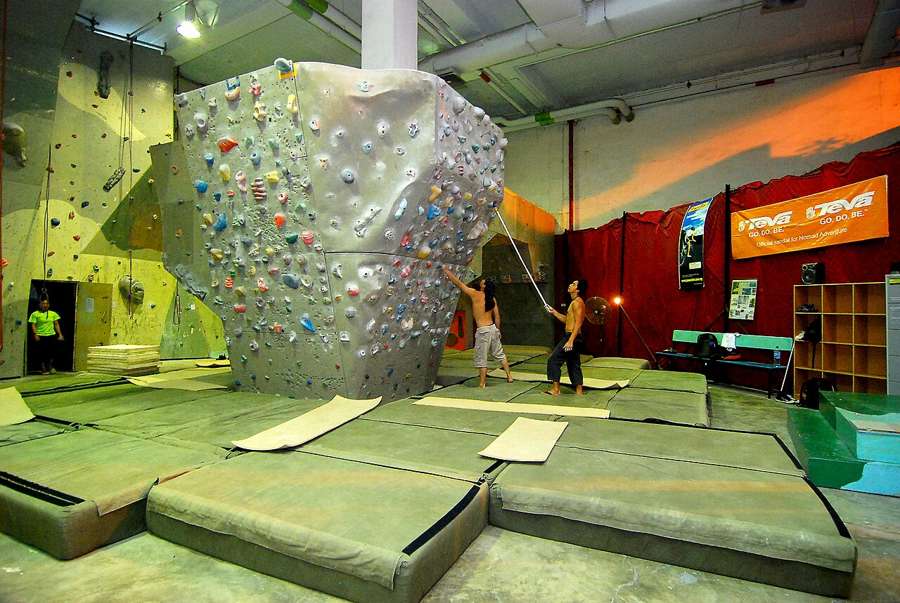
Physical groups are the lowest-Polish entry point because the activity carries the socialising. The city's sport portal runs a searchable class finder (sport.um.warszawa.pl/zajecia-sportowe) listing municipal and partner sessions by activity, level and location - from beginner rowing on the Vistula to pool sessions and fitness classes across the districts. Beyond the city system: climbing and bouldering gyms run on route-setting and shared problem-solving, not conversation; running clubs measure you in kilometres; yoga and dance studios demonstrate rather than explain. In all of these, showing up regularly does more than speaking well, and the Polish you absorb is exactly the useful kind - numbers, directions, encouragement, plans for after.
Data source: City of Warsaw sport portal class finder (sport.um.warszawa.pl/zajecia-sportowe), checked 21 October 2026.
The English-First Stepping Stones
If jumping straight into a Polish-language room feels like too much, the bridge layer is thick. Meetup.com hosts Warsaw's largest pool of open groups - board games, hiking, tech, photography, expat socials - many run in English or bilingual. Facebook groups for expats in Warsaw spawn constant sub-groups by hobby. Language-exchange nights (tandem-style meetings in bars and cafés) are designed for exactly your situation: Poles come to practise English, you come to practise Polish, and the mutual need dissolves the status anxiety. Treat these as on-ramps, not destinations: the goal is to develop the confidence and vocabulary to join the Polish-language versions of the same hobby, which are more numerous, cheaper, and where the actual neighbourhood friendships form. One more underused bridge: libraries. Warsaw's public library network runs free clubs, conversation groups, film screenings and workshops in branches across every district, and librarians are among the most patient first-contacts in the city - helping a resident find a group is literally their job. Ask at your local branch what regular groups meet there.
Volunteering: The Fastest Deep Integration
If hobby clubs are the gradual route, volunteering is the express lane. Warsaw's NGOs, festivals, animal shelters, community fridges and event crews constantly need hands, and volunteer work has three advantages no class offers: the organisers are grateful rather than evaluative, the tasks are concrete (hand out, set up, walk, sort - verbs you already know), and you meet the most outward-facing Poles, the ones who joined something precisely because they like new people. Event volunteering - film festivals, marathons, charity collections - is the gentlest version: one-day commitments, a T-shirt, a role, and a ready-made group to stand with. Animal shelters are the other classic: the dogs do not check your grammar, and the regulars become walking companions. Find openings through the volunteer pages of organisations you already care about, expat group posts, or simply by asking at your district dom kultury - culture houses frequently run community events that need local volunteers, which doubles your exposure to the same building and its people.
How to Actually Join a Polish-Language Group
The playbook that works, in order:
1. Message the organiser before the first session. One honest sentence in simple Polish or English - "I am learning Polish, my level is basic, can I join?" - gets a yes far more often than you fear, and it converts you from a stranger into someone they are expecting. 2. Choose verbs over vocabulary. Hobbies run on a few dozen words: sizes, colours, again, slower, help, finished. Learn your hobby's thirty words, not general Polish. 3. Show up three times before judging. The first visit is logistics; the group starts recognising you on the second and including you on the third. 4. Offer the trade. Many Poles welcome informal English practice; being the group's English resource is a role, and roles become belonging. 5. Take the beginners' section even if you are advanced in the hobby. The beginner group is where the other new people - the ones also looking for friends - are.
What Fluency Level Each Hobby Actually Needs
A rough calibration, from least Polish required to most: sports, climbing, dance and fitness classes (demonstration-based, minimal talk); ceramics, drawing and photography workshops (hands-on, some instruction); choirs and music groups (sheet music is multilingual, lyrics are learnable); volunteering (practical tasks, grateful organisers); board-game groups (rules explanation in Polish - bring a bilingual friend the first time); book clubs, debate and amateur theatre (genuinely need working Polish; make these the goal, not the start). None of this is a rule - individual groups vary more than categories - but it sequences a realistic year: start with your hands and feet, end in full conversation.
Small Cultural Notes That Buy You Goodwill
Polish group culture rewards a few specific behaviours. Arrive on time - punctuality is respect, not fussiness. Bring something small to share at the second or third meeting (a bag of fruit, a cake) - it reads as warmth, not bribery. Learn the name-day custom: Poles celebrate imieniny as well as birthdays, and noticing one earns outsized goodwill. Address the instructor formally at first (Pan/Pani) and let them offer the informal switch. And when conversation runs over your head, say so with humour - "Jeszcze nie rozumiem, ale się uczę" ("I don't understand yet, but I'm learning") is the single most disarming sentence available to you. Poles consistently rate effort in their language above accuracy in it; a clumsy attempt in Polish is received better than fluent English.
A Four-Week Starter Plan
Week one: pick one municipal dom kultury and one sports class from the two city portals, and message both organisers. Week two: attend the first session of whichever answered first; say the honest sentence out loud. Week three: add one English-first event (a Meetup group or a language-exchange night) so the week has two social anchors. Week four: go back to both. That second month is where the compounding starts - familiar faces, first names, the invitation to the thing after the thing.
Frequently asked questions
Can I join Polish hobby groups in Warsaw without speaking Polish?
Yes, especially activity-first groups: sports, climbing, dance, pottery and photography need very little language. Municipal domy kultury (district culture houses) run subsidised classes for residents and are used to mixed rooms; the city's culture and sport portals list them. Message the organiser before your first visit - one honest sentence about your level almost always gets a yes.
What are domy kultury and can foreigners use them?
They are city-funded district culture houses running workshops, clubs and events for residents - pottery, choir, dance, photography, theatre and more - at local prices. They are resident services open to people living in Warsaw regardless of nationality; the City of Warsaw's culture portal lists them by district.
Where do I find English-speaking hobby groups in Warsaw?
Meetup.com has the densest listing of open English or bilingual groups (games, hiking, tech, social), Facebook expat groups spawn hobby sub-groups, and language-exchange nights give you structured half-English, half-Polish practice. Use them as a bridge toward the larger Polish-language scene.
How long until a group starts feeling like friends?
The reliable pattern: first visit is logistics, second is recognition, third is inclusion. Give any group three consecutive attendances before judging it, and expect real friendship momentum from the second month of consistent presence, not the second meeting.