Learning Polish as an expat: free courses, apps and the state exam
The essentials: Start with free tools: Duolingo and Anki daily, plus the government's free Navoica MOOCs (about 18 hours each). University and private courses add structure. For proof of level, the state certificate exam runs several times yearly at A1-C2, capped at 120-150 euro; B1 is the citizenship level.
The first time a clerk at the urząd switches to English for you, it feels like a kindness. The twentieth time, it feels like a wall. Poland runs on Polish - the offices, the contracts, the small talk that turns neighbors into friends - and every expat eventually decides whether to stay behind the wall or climb it. The good news: the climbing gear has never been better, much of it is free, and if you ever need to prove your level on paper, Poland has a state certificate exam for exactly that.
How hard is Polish, really?
Honestly: not easy, but front-loaded. The grammar carries seven cases, three genders and verbs that come in pairs, and none of that exists in English. But the spelling is almost perfectly phonetic - once you learn the alphabet and a handful of letter combinations (sz, cz, rz, ą, ę), you can read any word aloud correctly on the first try, which is more than English ever offered you. Vocabulary helps too: hundreds of international words (restauracja, informacja, problem) come free. Pronunciation has exactly two hard spots - the nasal vowels ą and ę, and the sz/cz/rz versus ś/ć/ź distinction - and Poles will understand you even while you mangle both. Most learners report the same curve: a brutal first six months of cases, then a long, satisfying middle where everything compounds. The trick is surviving the first six months without deciding you are bad at languages. You are not; the language is just honest about its difficulty from day one instead of hiding it until year three, the way English does with spelling, pronunciation and twelve tenses.
Free ways to start today
The daily-habit apps do what they do everywhere: Duolingo has a full Polish course, and pairing it with an Anki flashcard deck for vocabulary covers the basics at zero cost. YouTube carries entire Polish-for-foreigners channels, and podcasts for learners multiply every year - ten honest minutes a day on these beats two heroic Sunday hours, because memory consolidates between sessions, not during them.
A word on method before the tools: whatever you choose, choose two things - one for input (an app, a course, a podcast) and one for output (a class, a tutor, a patient Polish friend). Input-only learners plateau at reading menus; output is what builds a usable language.
Less known and genuinely good: the Polish government-funded Navoica platform hosts free, open online courses in Polish as a foreign language, built by Adam Mickiewicz University in Poznań for working people. Three MOOC-style courses - a general B1 course with entrepreneurship vocabulary plus specialist A2/B1 tracks for transport-logistics and for trade and services - each take about 18 hours, mix animated films with exercises, and issue a completion certificate at 60 percent. For a working expat studying at odd hours, they are the best free structured option in the country.
Formal courses
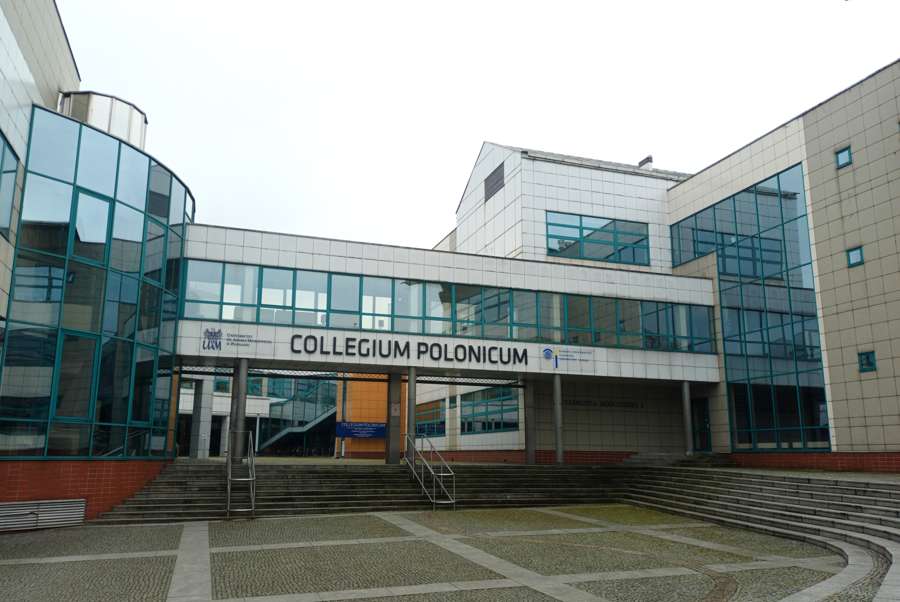
Every large city has university language centers and private schools offering Polish for foreigners at every level, from weekend crash courses to year-long programs - the University of Warsaw's Polonicum is the best-known, and its building in Słubice's sister institution appears on the cover of this article. Group semester courses give you structure, a teacher who corrects your cases, and - underrated - a room full of other foreigners who become your first social circle. Most run on the academic calendar with enrollments in September/October and February, evenings or weekends for working students, from absolute beginner to exam-prep groups aimed squarely at the B1 certificate. One-on-one tutoring, in person or online, costs more per hour but moves faster; most learners do a group course first and add tutoring when they stall. Some cities and NGOs also run free or subsidized Polish courses for migrants, so check your city hall's integration page before paying for anything.
The state certificate exam
If you need Polish on paper - for citizenship, for a university program, for a CV that means something - the exam to know is the państwowy egzamin certyfikatowy z języka polskiego jako obcego, the state certificate exam. It runs at levels A1 through C2 for adults (children and teens up to B2), tests reading, writing, listening and speaking, and you pass with at least 50 percent on both the written and the oral part. Exam centers set their own fees within legal caps: at most 120 euro for A1 and A2, and 150 euro for B1 and B2, with a small additional fee for the certificate itself.
Sessions run several times a year at authorized centers around the country. The Medical University of Warsaw's published calendar, for example, lists sessions on 28 June 2026, 6 December 2026, 7 February 2027, 11 April 2027, 13 June 2027 and 28 November 2027 - so there is roughly one opportunity per quarter somewhere in the country, and registration closes weeks ahead. The level that matters most to expats is B1: it is the language requirement on the citizenship route, as our Polish citizenship guide explains.
Getting to speaking
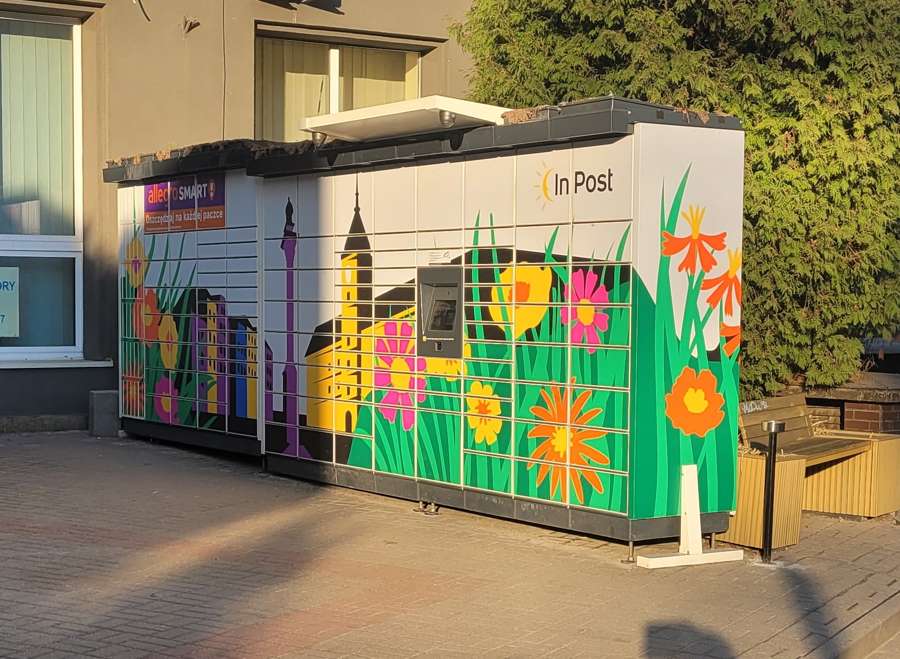
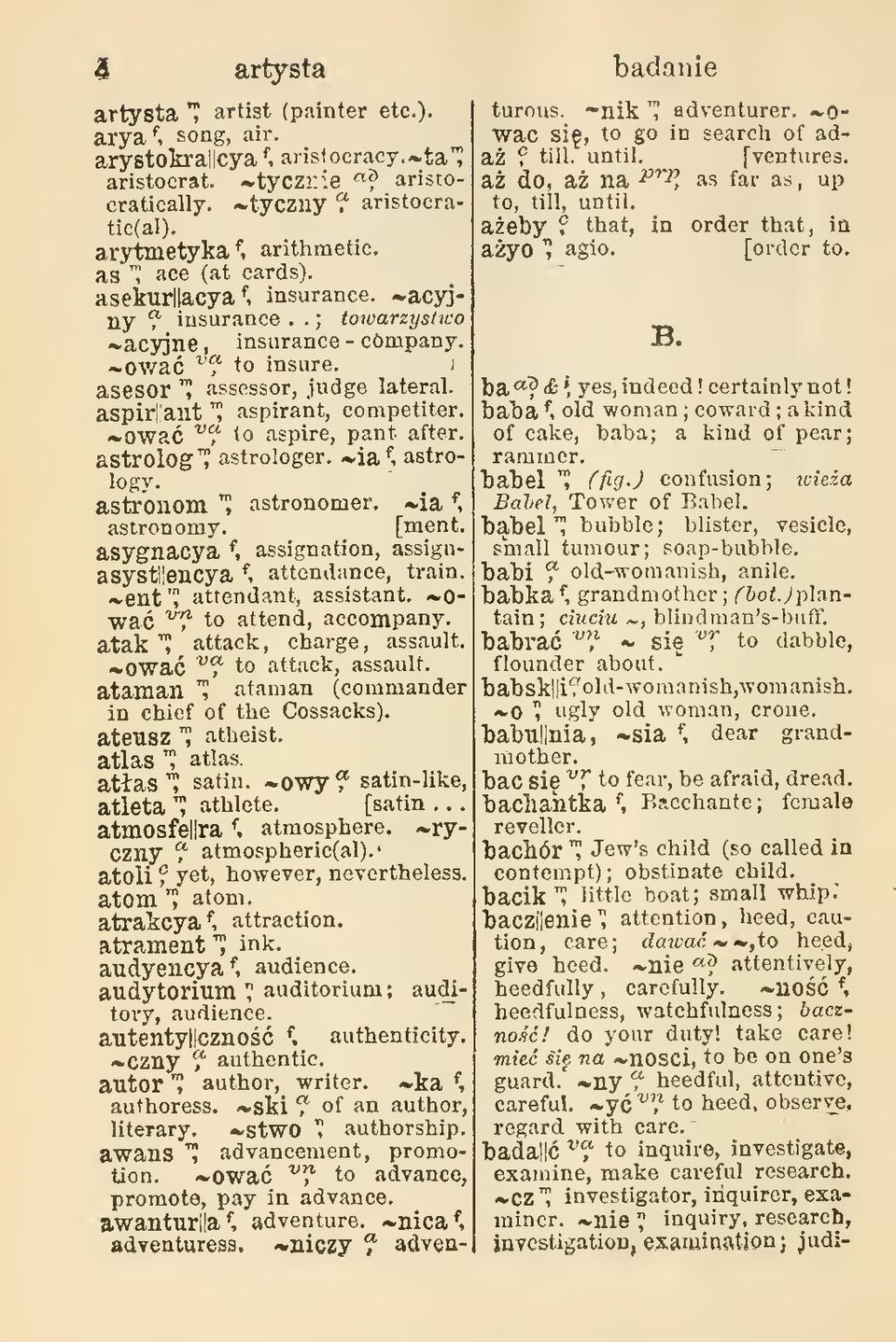
Courses build the machine; practice turns it on. Language-exchange evenings run in every big city, and any Pole you befriend will happily trade half an hour of English for half an hour of Polish. Media does the quiet work in the background: start with children's programs and learner podcasts, graduate to series with Polish subtitles (reading while listening welds the cases into your ear), and keep the radio on - Polish talk radio is dense, fast and free. Everyday life is the real classroom: order at a milk bar in Polish, collect your paczkomat parcels in Polish, switch your phone to Polish and suffer productively for a week. Poles are famously encouraging with learners - a single well-placed dziękuję or proszę gets a warmer reaction than flawless grammar delivered cold, and a full Polish sentence, however wobbly, visibly changes how people treat you. The bar for impressing a native speaker of a language this hard is mercifully low. Learners have been wrestling this language into shape for a long time: the page above comes from a Polish-English dictionary printed in 1885, and the entries have not gotten any shorter since.
The plan that works
The expats who actually learn Polish share a pattern, not a talent. They do a short daily app habit for vocabulary, one structured course for grammar, and relentless low-stakes speaking from month one - badly at first, then less badly. They watch Polish YouTube or series with subtitles instead of their usual shows. And they set a concrete target: for most, the B1 certificate, booked on a real date, because a deadline is the difference between "learning Polish" and learned. Pick the December or February session, register, and let the date do the motivating. A year from now you will either have a certificate or another year of intending to - the calendar does not negotiate.
Cover photo: Collegium Polonicum in Słubice, by Acediscovery, CC BY 4.0. Photo above: a page from Burt's Polish-English Dictionary (1885), public domain.pdf).
Frequently asked questions
Is Polish hard for English speakers to learn?
It is genuinely challenging - seven cases and aspect pairs are the famous hurdles - but the phonetic spelling and shared international vocabulary soften the start. Consistent daily practice beats intensity: most working learners reach conversational basics within a year.
Are there free Polish courses for foreigners?
Yes. The government-backed Navoica platform hosts free online Polish MOOCs built by Adam Mickiewicz University (about 18 hours each, certificate at 60%), and many cities and NGOs run free or subsidized courses for migrants. Duolingo and YouTube cover daily self-study.
What is the Polish state certificate exam?
The państwowy egzamin certyfikatowy z języka polskiego jako obcego - the official, state-recognized exam at levels A1-C2. You need at least 50% on both the written and oral parts to pass; certificates are issued by the state commission.
How much does the certificate exam cost?
Centers set their own prices within caps: no more than 120 euro for A1/A2 and 150 euro for B1/B2 (children's exams 90 euro), plus a small certificate fee. Sessions run several times a year at authorized centers.
Do I need a certificate for Polish citizenship?
The citizenship-by-recognition route requires proven B1 Polish, and the state certificate is the standard proof. Some other documents can substitute in specific cases - check the current rules before applying.
Can I learn Polish without living in Poland?
Yes - the free Navoica courses, apps, online tutoring and Polish media all work from abroad. Living in Poland mainly adds free, constant speaking practice.