Making Friends in Warsaw as a Couple: Activities for New Arrivals
The essentials: Yes - couples do best with a weekly rhythm: recurring activities (dance, climbing, doubles sports, culture-house workshops), standing culture dates like Lazienki's free Sunday Chopin recitals, easy Vistula Boulevards invitations, and hosting another couple within three months.
Moving to a new country as a couple comes with a quiet trap that singles do not face: you already have your person, so you never have to meet anyone. A year later many couples realise they know Warsaw's restaurants well and Warsaw's people not at all - every evening is the two of you, and every problem is discussed with the same one mind. Friendships as a couple take deliberate structure. The good news is that Warsaw is unusually well set up for two-person social lives: couples can join almost everything singles join, and some doors open more easily in pairs. City facts below come from Warsaw's official portals and the Royal Łazienki Museum, checked on 21 October 2026.
Why Couples Need a Different Strategy
Single newcomers make friends by necessity; couples make them by choice, which means it keeps slipping to next month. Two dynamics make it harder. First, the unit problem: you are auditioning for friendships as a pair, and a four-person dinner needs four-way chemistry, not two-way. Second, the home gravity problem: a comfortable apartment and a shared routine beat an uncertain social gamble almost every evening. The fix is not willpower but calendar - friendships in Warsaw form through repeated weekly contact, so pick recurring activities over one-off events, and treat the first two months as a scheduled project rather than something that should happen naturally.
The Weekly Rhythm: Recurring Activities for Two
The strongest couple-friendships in Warsaw are built in weekly slots. Dance classes are the classic: salsa and bachata schools across the city run beginners' courses in semester blocks, couples rotate partners (which quietly doubles the people you meet), and the same faces return for months. Climbing and bouldering work the same way - partner-based, chatty by design, and full of internationally minded regulars; the city's sport portal class finder (sport.um.warszawa.pl/zajecia-sportowe) lists municipal and partner sessions by activity, level and district if you want subsidised options before committing to a private gym. Doubles-friendly sports - badminton, tennis, squash - let you play against other couples, and a standing weekly game with another couple is friendship on rails.
Data source: City of Warsaw sport portal class finder (sport.um.warszawa.pl/zajecia-sportowe), checked 21 October 2026.
Culture Dates That Turn Into Community
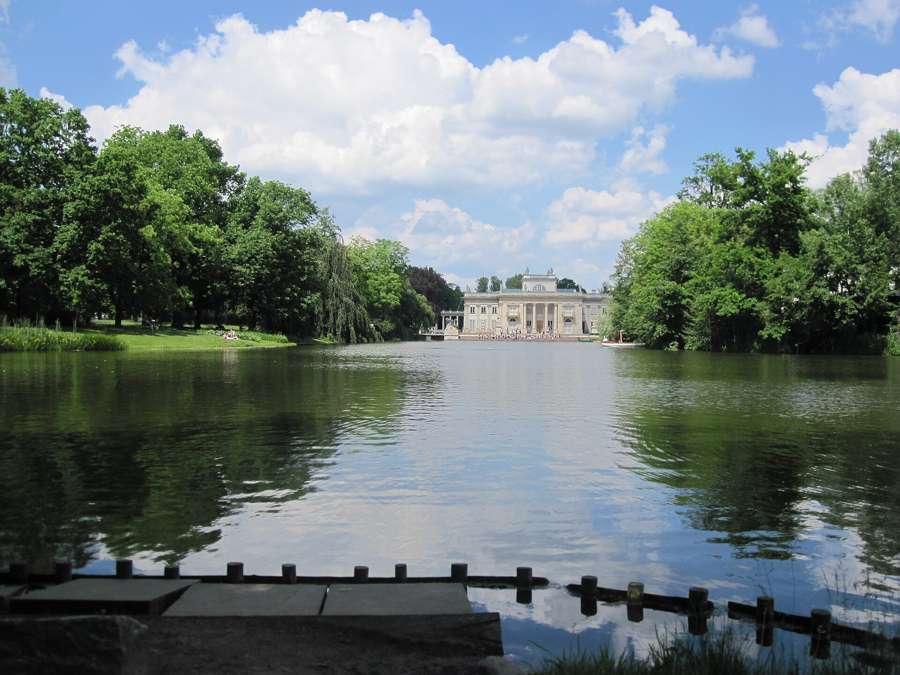
Warsaw's cultural calendar rewards couples who show up regularly to the same institutions. The Royal Łazienki Museum is the flagship: its free Sunday Chopin recitals in the park - the 2026 season was the 67th - are a decades-old city ritual, its temporary exhibitions (The Nabis runs to 15 November 2026) give you a standing reason to return, and the renovated 18th-century Amphitheatre, reopened with an inaugural concert on 8 May 2026, has brought outdoor performances back to the park. A couple that goes to Łazienki every other Sunday starts recognising the same ushers, regulars and fellow season-people - low-pressure familiarity that compounds. District culture houses (domy kultury) extend the pattern closer to home: the City of Warsaw's culture portal lists one or more per district, running couples-friendly workshops - pottery, photography, choir, theatre groups - at resident prices, and a pottery course attended together is six weeks of the same fifteen people.
Data source: Royal Łazienki Museum programme (lazienki-krolewskie.pl) and City of Warsaw culture houses directory (kultura.um.warszawa.pl/domy-kultury), both checked 21 October 2026.
The Winter Version
Warsaw's social calendar changes shape from November to March, and couples who only know the summer city sometimes go quiet for half a year. The winter circuit is indoor and arguably better for friendship-building: museum nights and temporary exhibitions (Łazienki's Nabis show runs to 15 November 2026, with new seasons following), board-game cafés at their cosiest, climbing and badminton leagues in full swing, cinema clubs and film discussion groups, and the culture houses' winter workshop semesters. Winter is also hosting season - the domówka (house party) is Poland's core social format, and the darker months are when invitations concentrate. Couples arriving in autumn should plan for this rhythm rather than measuring the city by its riverside summer.
The Vistula Factor
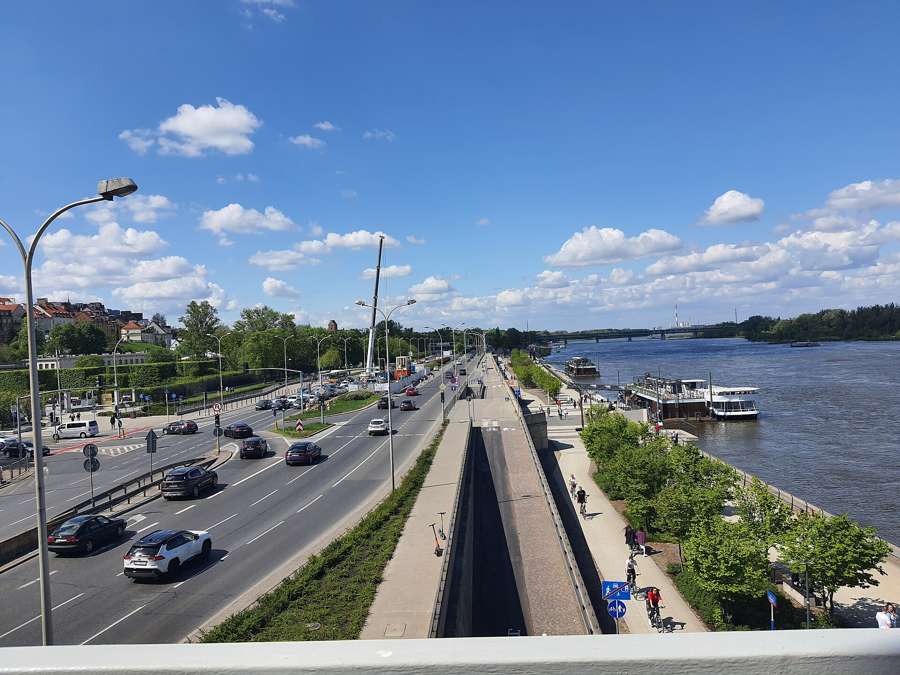
In the warm months the Vistula Boulevards function as the city's shared living room: the rebuilt west-bank promenade fills with walkers, cyclists, food barges and open-air events, and it is the easiest place in Warsaw to be casually social - a riverside walk costs nothing, ends near someone's favourite bar, and is the natural first invitation to extend to a new couple ("we're walking the boulevards Saturday, join us"). Learning to issue and accept that low-stakes invitation is the single most useful social skill for a new couple in Warsaw: Poles often socialise in established circles, and the couple that proposes the easy concrete plan - not "we should meet sometime" but "Saturday, 4 pm, the boulevards" - accumulates friends faster than the couple waiting to be invited.
If You Have a Dog (Or Are Thinking About It)
A dog is the most effective friendship technology available in Warsaw. The same dog-walking routes at the same hours create exactly the repeated-contact pattern friendships need, dog people talk to each other by default, and the city's parks - Łazienki's surroundings, Pole Mokotowskie, Skaryszewski, the Vistula banks - have de facto dog communities with their own regulars. Couples with a dog consistently report the fastest social integration of any newcomer profile; couples without one can borrow the pattern by keeping their walking routes and hours regular.
Where Couples Actually Meet Other Couples
Beyond activities, target the formats where couple-to-couple friendships form fastest. Board-game cafés and game nights work because four-person games need exactly what you are; language exchanges and tandem evenings put you in a room full of people whose explicit purpose is meeting strangers; volunteering as a pair (shelters, festivals, community events) bonds you to a crew with shared purpose; and expat platforms - Meetup groups, Facebook communities, internations-style gatherings - host couple-heavy events where everyone arrived recently and nobody has a full social calendar yet. One honest asymmetry to plan around: in a mixed-nationality couple, each partner may need partially separate channels - the Polish partner's old networks and the foreign partner's newcomer scene - and the strongest social lives merge the two rather than choosing one.
What a Social Life Costs Here
Budget honesty helps couples plan: municipal options are genuinely cheap - culture-house workshops and city sports sessions are priced for residents, the Łazienki Chopin recitals are free, and the boulevards cost nothing. Private options are moderate: dance courses, climbing passes and game-café evenings are affordable by Western European standards, which means a couple can sustain two or three paid weekly activities without strain. This matters socially: in Warsaw, "we can't afford to go out" is rarely the real obstacle - the real currency is protected evenings, so budget time before money.
The First Three Months: A Couple's Plan
Month one: pick one recurring weekly activity each (they can be different - two channels double the surface area) plus one shared couples-format event every two weeks. Month two: consolidate - drop what did not click, double down on the weekly slot that produced the most familiar faces, and issue your first specific invitations. Month three: host. Nothing accelerates couple friendship like having people over; a simple dinner for one other couple you both like is worth ten group events, and Warsaw's hosting culture - Poles take domówki seriously - means the invitation will be returned.
A note on pace: Polish friendships deepen slowly and then permanently. Do not mistake a reserved first month for rejection - the same acquaintances who seemed formal in October will be the people calling you by a nickname in March. Couples have one structural advantage here: when one partner clicks with someone, the friendship can still work through the other partner's channel, and vice versa.
Frequently asked questions
How do couples make friends in Warsaw?
Through recurring shared activities rather than one-off events: weekly dance, climbing or sports classes, district culture-house workshops, and regular visits to the same cultural institutions. The key is calendar discipline - pick weekly slots, attend for at least two months, and issue specific invitations ("Saturday, the boulevards") instead of vague plans.
Are there activities in Warsaw suited to couples specifically?
Yes. Dance schools run semester-long partner courses, doubles sports (badminton, tennis, squash) pair you against other couples, board-game cafés suit four-person games, and the Royal Łazienki's Sunday Chopin concerts and exhibitions make an easy recurring culture date that builds familiarity with fellow regulars.
Is it hard to meet Polish people as an expat couple?
Poles often socialise within established circles, so newcomers rarely get swept in automatically. Couples who propose easy, concrete plans and join Polish-language-tolerant activities (sports, dance, workshops) report steady progress; English-first Meetup and language-exchange events are a useful bridge while your Polish grows.
Should both partners do the same activities?
Not necessarily. Two different weekly activities double the number of people the couple collectively knows, and friendships can merge later. A shared couples-format event every week or two keeps a common thread, while separate channels keep each partner socially independent - especially valuable in mixed-nationality couples.