Polish funeral etiquette for expats: dress, flowers, kondolencje
The essentials: At a Polish funeral, wear dark formal clothes, bring white chrysanthemums or lilies unless the family asks for no flowers, and give condolences in person or by a short card - never by SMS. After the burial, mourners share a quiet meal called the stypa, which invited guests should not decline.
Death is the life event expats are least prepared for in Poland - and the one where getting it wrong stings most. When a Polish colleague, neighbor or friend loses someone, you will face a set of customs that feel formal, Catholic and rule-bound, because they are. The good news: the rules are clear, and following them is read as deep respect. This guide covers how you will hear the news, what to wear, what flowers mean, how to give condolences, and what happens at the funeral and the stypa, the reception that follows.
How you will hear about a death
Poland announces deaths in ways that can surprise foreigners. The most visible is the klepsydra - a printed death notice, black-bordered, posted on the door of the deceased's building, on fences, and increasingly on social media. It gives the name, age, and the date and place of the funeral. Etiquette guides are explicit that a klepsydra needs no reaction - no comments, no likes, no hearts under a Facebook version of one.
Closer people hear by phone. Here is the detail that matters: the call is a notification, not an invitation - but Polish etiquette treats being notified as meaning you should attend. If you get the call, keep it short. The person calling has dozens more calls to make and a funeral to organize; asking how they are holding up, or for the whole story, is considered poor form. A formal obituary, the nekrolog, appears in newspapers or online for public figures and colleagues.
Two channels are firmly off the list: SMS and email. Neither condolences nor death announcements go through them, according to the Institute of Etiquette's published guidance.
What to wear
Dress is elegant but subdued - the Polish standard is formal wear in dark colors. Men wear a navy or black suit with a white shirt and a dark, ideally black tie. Women wear a dark dress or a suit with trousers or a skirt, and a head covering is acceptable though not required. Black is obligatory only for the closest family; for everyone else, dark navy is entirely proper. Nothing bright, nothing patterned, nothing casual - this is the one Polish event where blending in quietly is the goal.
Flowers and wreaths
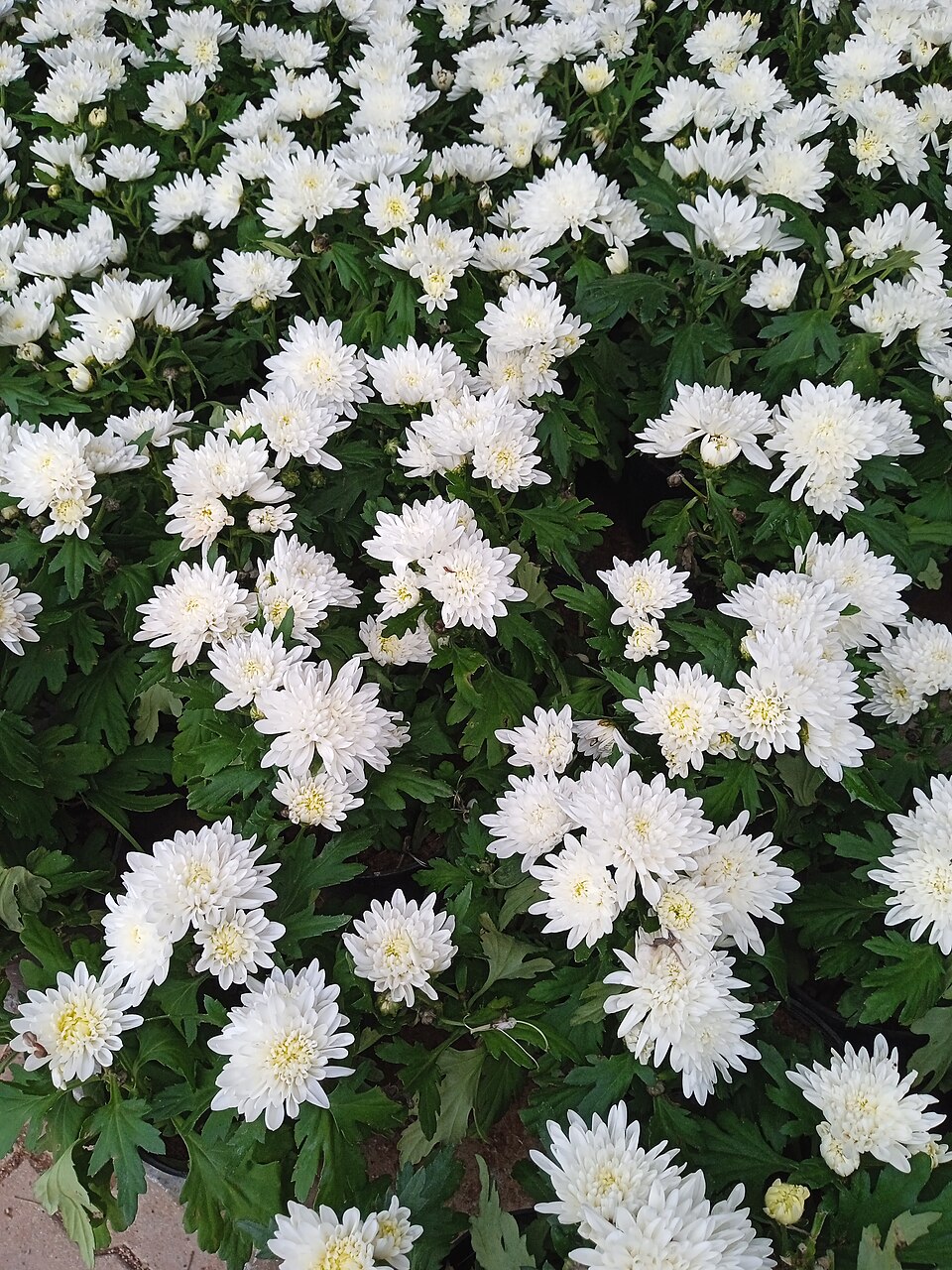
Chrysanthemums and lilies are the classic funeral flowers in Poland, in bouquets, sprays and large wreaths with inscribed ribbons. White signals mourning and purity; you will see oceans of white chrysanthemums at every Polish cemetery in autumn. But the etiquette institute's guidance is relaxed about the details: a bouquet of the deceased's favorite flowers, or even single stems, is perfectly appropriate.
One rule overrides everything: if the family asks for no flowers - a request sometimes printed right in the klepsydra or nekrolog, often with a preferred charity instead - respect it exactly.
The ceremony: church and cemetery
Most Polish funerals are Catholic and happen in two parts. The first is a church service, usually a full funeral Mass, with the coffin present. Non-Catholic guests simply follow along - stand when others stand, sit when they sit, and do not go up for Communion. Nobody expects responses or Polish hymns from you; quiet presence is the whole job.
The second part is the burial at the cemetery. Mourners walk or drive behind the hearse in a slow cortege - on foot for parish cemeteries, by car convoy for the big municipal ones - and the coffin is carried to the grave, the priest says the final prayers, and mourners file past. Traditional customs recorded by Polish folklorists include singing "Witaj Krolowo Nieba" - "Welcome, Queen of Heaven" - as the coffin is lowered, and each mourner tossing three handfuls of earth onto it, in the old wish that the earth rest lightly on the departed. If you are handed earth or a flower to place, follow the person ahead of you and do what they do.
Cremation funerals follow a similar shape, with the urn interred in a grave or columbarium niche. Either way, expect the whole event - church plus cemetery - to take two to three hours, and dress for standing outdoors.
Kondolencje: what to say and how
Giving condolences - kondolencje - has its own etiquette, and the key insight is that condolences are not wishes. You do not wish anything; you express support. A handshake and a few quiet words are enough. The Polish formula is "lacze sie z Panstwem w bolu" - I join you in your grief - but "I am so sorry for your loss" in English lands exactly the same way; it is the tone that counts, not the language.
Written condolences should be short: three sentences - that you share their pain, that the deceased mattered to you, that the family is in your thoughts. Do not phone to give condolences - the family is overwhelmed with calls and arrangements. And as with announcements, no SMS, no email: if you cannot be there in person, a short card or letter sent by post is the correct channel.
At the funeral itself there is usually a moment to approach the immediate family, shake hands and say your few words. Keep it to seconds. Long conversations happen later, when they are ready.
The stypa: the funeral reception
After the burial, mourners are often invited to the stypa - the funeral reception, sometimes called konsolacja. This is a sit-down meal, usually soup, a hot dish and coffee with cake, at a restaurant or family home. If you are invited, etiquette says do not decline: your duty is to be with the people who are grieving. Only the closest circle and out-of-town guests are always expected; work colleagues can gently step away if they must, but an explicit invitation to you personally should be accepted.
The tone of the stypa surprises many foreigners: it is quiet but not grim, and normal conversation is welcome. The crucial rule is that the hosts set the subject. Talk about the deceased only if the closest family does first - if they do not bring it up, they are not ready, and you must not push. Follow their lead, eat, stay an hour or two, thank them, and leave quietly.
Older Poland knew the stypa as a genuine feast with ritual dishes - barley groats for life after death, noodles with honey and poppy seeds for sweetness and good sleep, as the folk tradition recorded by Fr. Zdzislaw Peszkowski describes. Modern city stypas are simpler, but the instinct is the same: sharing food after the burial closes the rite and lets the living go on.
If a Polish friend or colleague dies: practical notes
For official matters, Poland has structured support that the family handles: the funeral grant from ZUS and special compassionate leave from work. Our guides to the funeral grant and to special leave for weddings and funerals cover those. As a friend or colleague, your role is simpler: show up, dress dark, bring flowers unless asked not to, shake hands, say your few words, stay for the stypa if invited. Poland reads all of that as love.
For broader Polish instinct about gifts, visits and formality, see our Polish social etiquette guide.
Frequently asked questions
What should I wear to a Polish funeral?
Elegant and dark: a navy or black suit with a white shirt and dark tie for men, a dark dress or suit for women. Black is required only for the closest family; for everyone else, subdued dark colors are correct.
What flowers do I bring?
Chrysanthemums and lilies are the traditional funeral flowers, white above all. A bouquet of the deceased's favorites or even single flowers is also appropriate. If the family requests no flowers in the death notice, respect that wish exactly.
How do I give condolences in Poland?
In person, a handshake and a short phrase - "I am sorry for your loss" works fine. In writing, a brief card of three sentences. Never by SMS, email or phone call.
Do I have to attend the stypa?
If you are personally invited, etiquette says yes - your presence supports the grieving family. The meal lasts an hour or two; follow the hosts' lead on conversation and do not raise memories of the deceased unless they do.
Can a non-Catholic attend a Catholic funeral?
Absolutely. Stand and sit with the congregation, skip Communion, and follow others at the graveside. Quiet presence is all that is expected.
Should I give money at a Polish funeral?
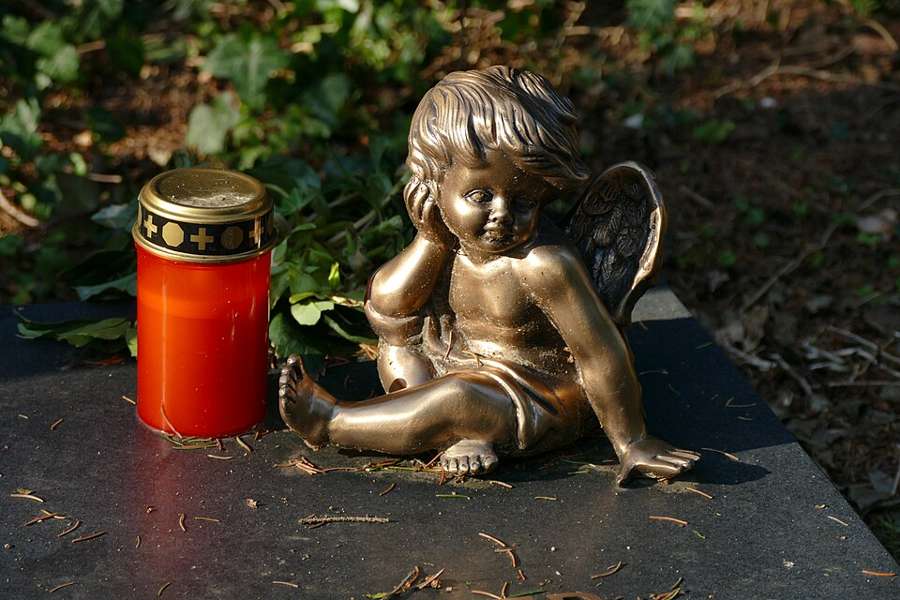
No - money is not a funeral custom in Poland the way it is at weddings and christenings. Flowers, a wreath, a condolence card, or a donation if the family names a charity are the correct gestures. <em>Cover: A grave candle and an angel figurine on a grave - photo by Kritzolina, CC BY-SA 4.0, via Wikimedia Commons. Body: White chrysanthemums - photo by Adbh266, CC BY-SA 4.0, via Wikimedia Commons.</em>