Szczecin’s Transport Museum With Kids: A Practical Guide
The essentials: Szczecin’s Museum of Technology and Transport is a vehicle-focused family outing at Niemierzyńska 18A. Compare the 60 zł family ticket with individual and free-child admission, and check the day’s hours: Tuesday closes earlier than the weekend.
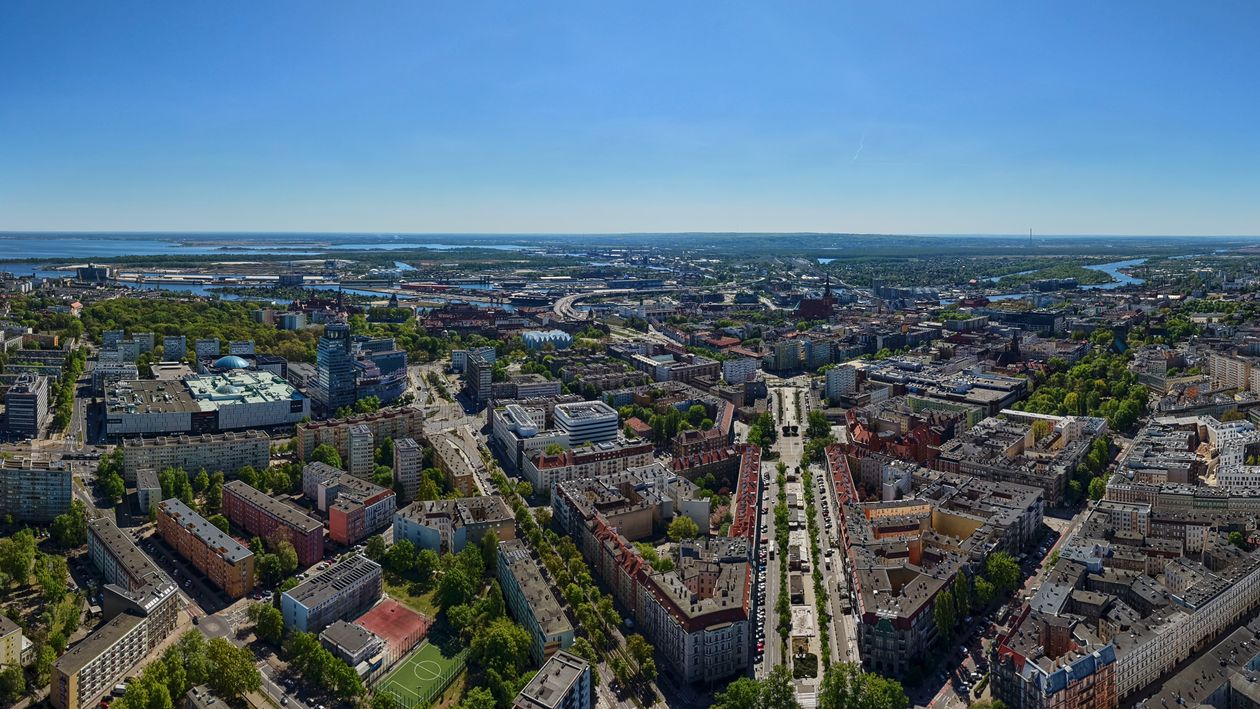
Szczecin cityscape, shown as destination context. This is not a photograph of the transport museum or its immediate surroundings. Michal Samul, Aerial View of Szczecin Cityscape on a Sunny Day, Pexels License. Image unchanged.
A transport museum can help a child understand a new city without beginning with a long historical explanation. A bus, a motorcycle or a small car gives everyone something concrete to compare with the journey they made that morning. In Szczecin, Muzeum Techniki i Komunikacji offers that starting point at Niemierzyńska 18A.
The museum’s own English introduction puts everyday vehicles and their Polish nicknames at the centre of its story. For an expat family, that can make the outing a way to connect technology with ordinary life, not simply a room of machines whose model numbers mean little. The useful preparation is to choose the right ticket, notice the different daily closing times and arrive with museum expectations rather than playground expectations.
What makes this a distinct Szczecin outing
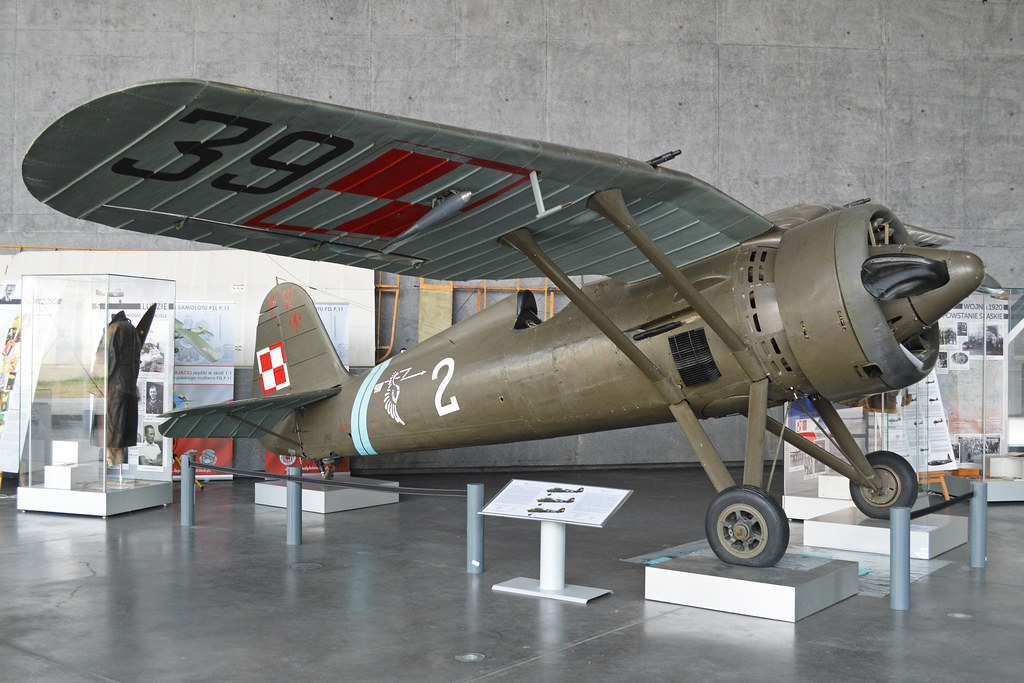
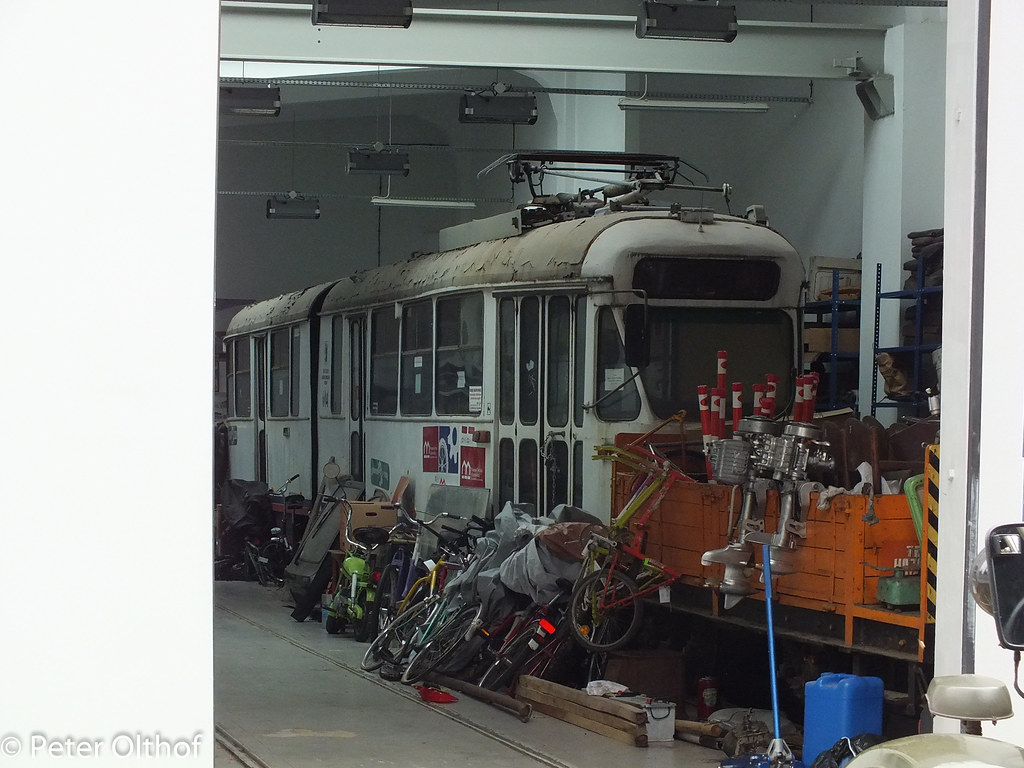
The operator describes vehicles familiar from Polish everyday life, including cars, motorcycles, a Jelcz bus and a GT6 tram. That gives parents a way into local history through familiar questions: how many people could travel together, what did a family car look like, and how does an older public-transport vehicle compare with the one outside today?
Do not turn the visit into a test of what a child knows about Poland. A family new to the country can begin with shapes, colours, size and function. Older children may be interested in manufacturing names or how a city’s transport changed. Both approaches can work without pretending that everyone needs the same level of explanation.
The museum’s English page uses affectionate vehicle nicknames to convey their place in popular memory. Treat that language as part of the institution’s interpretation, not evidence that every Polish person used the same name or had the same experience. A machine can carry cultural meaning without requiring a universal story about the people who used it.
Decide whether your child wants a museum today
A child fascinated by buses may be keen to climb into the first one they see. Do not promise that before arrival. Displayed vehicles should be treated as collection objects unless signs or staff explicitly allow access or interaction. A photograph showing an open door is not permission to enter the same vehicle today.
Set a simple expectation before you go: some things are for looking, some may have specific instructions, and adults check first. That reduces the chance that an exciting moment becomes a dispute beside a fragile object. It also gives children a clear way to ask rather than guessing what is allowed.
If the family mainly needs active running, plan that elsewhere. The museum can be the focused part of a day without having to supply every kind of leisure at once. A shorter successful visit is better than forcing a child through the collection after their attention has gone.
Tickets: the family option has conditions
At the source check, the museum’s Polish price list gave standard admission as 25 zł and reduced admission as 17 zł. A family ticket cost 60 zł for up to five people, with one or two adults and school-age children. Read that composition rule carefully: the product is not a general pass for any five people travelling together.
For two adults and two children who each qualify for a reduced ticket, individual admission at those rates totals 84 zł. A 60 zł family ticket can therefore be a useful saving when the group fits the stated conditions. For a single adult and one reduced-rate child, individual admission totals 42 zł, so buying a family product would not automatically be the cheaper choice.
The Polish price list also says children under four enter free. Two adults with children in that free-entry group would need to compare ordinary adult admission with any applicable alternative rather than selecting a family ticket by habit. These examples are arithmetic based on published rates, not a guarantee of a ticket combination for every household.
Reduced eligibility must be supported by the relevant document. The museum lists categories including school pupils, pensioners and full-time students. The current Polish price page also lists a special 10 zł ticket for full-time students until the end of 2026, so check that dated offer rather than assuming the ordinary reduced rate applies. If you need to know whether a particular foreign document is accepted, ask the ticket desk before relying on the discount. Do not turn an English translation of a category into an assurance about every international card.
Free Tuesday: useful, but shorter
The official price list states that entry is free on Tuesdays. It also asks groups to arrange visits in advance because of high interest. A group of friends or several families should check with the museum whether their planned party needs advance coordination rather than assuming the advice only concerns schools.
Tuesday’s published hours are 10:00–15:00. That is shorter than Wednesday to Friday and Sunday, listed as 10:00–16:00, and Saturday, listed as 10:00–18:00. Monday is ordinarily closed. The free day may save money, but it is a poor choice if you cannot arrive until near the end of its shorter opening window.
A longer Saturday can offer more flexibility for families travelling across the city. It does not establish a quieter visit or guarantee that a particular vehicle is accessible. Choose the day based on your actual timetable, budget and energy, then check holiday notices and exceptional closures before leaving home.
Getting to Niemierzyńska 18A
Save the full museum name and address, not simply a search for transport in Szczecin. The institution is Muzeum Techniki i Komunikacji – Zajezdnia Sztuki, at Niemierzyńska 18A. Having the Polish name ready helps when checking a map, asking a driver or confirming that a journey planner has selected the right destination.
Use current public-transport information for your departure time rather than relying on a route number in an old visitor review. For the ticket side of the journey, our Szczecin public-transport guide provides a starting point. Still check the live route for disruptions and the last walk with children.
The museum’s visitor information says guests can park cars in the courtyard and that tour buses can fit there too. It does not reserve a space for every visitor or settle every parking condition. If parking availability, vehicle height or a close drop-off is essential, clarify that arrangement with the museum rather than treating a general statement as a booking.
Build a route around comparisons
For a first visit, choose a small task rather than attempting a model-by-model survey. Ask each child to find one vehicle they would recognise on the street, one that looks different from today’s equivalent and one detail they had not noticed before. They can point, draw or describe; they do not need to read long labels to take part.
A second pass can focus on a theme such as passenger space, wheels or driver visibility. Let the child compare two examples and explain their own reasoning. If an adult wants to add a historical fact, use the museum’s interpretation rather than inventing a story about who drove a particular exhibit.
For planning, allow a relaxed block of roughly one to two hours, with flexibility to shorten or extend it. That is an editorial suggestion, not the museum’s official visit length. A committed vehicle enthusiast may want much longer; a family with younger siblings may get more from one focused section and a clear finish.
Language without turning the outing into homework
The museum maintains an English introduction online, which helps families prepare the main subject and vocabulary. That does not establish that every exhibit label, guided activity or staff interaction is available in English. Ask about the exact service if language access will decide whether it is worth booking.
Useful ticket words include normalny for standard, ulgowy for reduced and rodzinny for family. Show the age and composition of your party clearly at the desk, along with any discount documents. This is more reliable than asking for a family ticket first and discovering later that another combination was more suitable.
Children learning Polish can choose one or two transport words to notice, but there is no need to turn every label into a translation exercise. The point of a family outing is to enjoy and understand something together. A conversation in the language the child knows best can still connect them to the place they now live.
Comfort, access and the day around the museum
Check the venue’s current arrangements before assuming there is a particular café, pushchair-storage area or quiet room. If a step-free route, accessible toilet or reduced walking distance is necessary, contact the museum with that specific requirement. General museum status and a courtyard parking description do not establish every access detail.
Plan food separately unless the museum confirms a suitable eating area. Keep snacks away from displayed objects and follow the instructions on site. Bring the booking or payment means you need, documents for any concession and clothes appropriate to the journey, even if the main museum visit is under a roof.
Keep the rest of the day light. A museum visit followed by a meal or an uncomplicated walk can be more workable than several additional timed attractions. Our Szczecin weekend guide can help place the outing within a broader stay without making every landmark compulsory.
The best result is not that a child remembers a catalogue of Polish vehicle names. It is that the city’s machines feel a little less anonymous: a tram becomes something with a history, a small car raises a question, and the next journey across Szczecin gives the family something new to talk about.
Frequently asked questions
Is Tuesday free at the Szczecin transport museum?
The current official price list says Tuesday admission is free. The museum asks groups to arrange visits in advance because of demand; check any exceptional closure before travelling.
Does the family ticket cover any five people?
No. The published offer is for up to five people, with one or two adults and school-age children. Check the composition conditions rather than assuming any five-person party qualifies.