Śmietana or Śmietanka? Buying Cream in Poland
The essentials: Check whether you need cultured sour cream or sweet cream, then the fat percentage and the specific recipe. Śmietana and śmietanka are useful label clues, but the ingredients and preparation instructions decide the product you are buying.
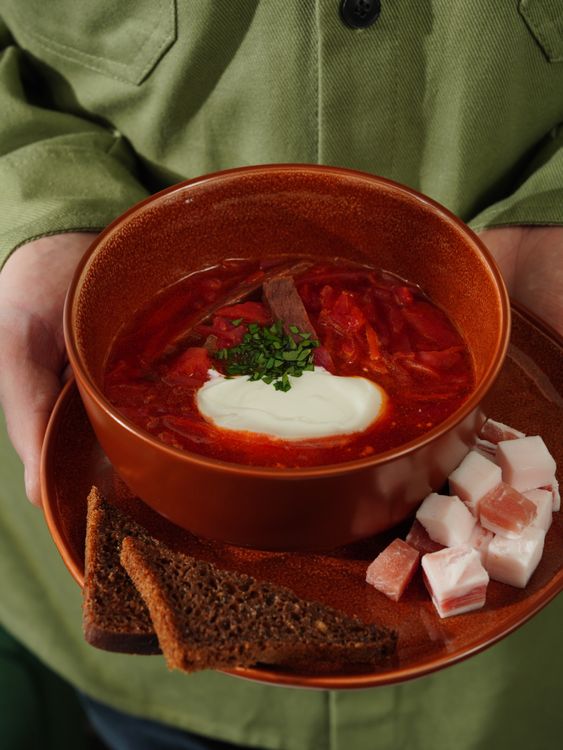
Cover: Nadin Sh / Pexels, Pexels License. Illustrative cooking photograph, not a Polish product label, brand endorsement or tested recipe. Resized.
Two Polish words differing by only a few letters can lead to very different shopping choices: śmietana and śmietanka. Add percentages, tubs, cartons and recipe translations, and buying cream can become a larger task than expected. The answer is not to memorise one percentage as the correct Polish cream for everything.
Start with what the dish needs. A soup finished with a sour dairy flavour, a whipped dessert and a sauce calling for a particular fresh cream are different jobs. Read the full product name, the ingredients and the producer’s stated uses before deciding whether a familiar English term describes the same thing.
Understand the two basic label clues
Piątnica’s bilingual range provides a useful starting point. Its Polish śmietany category corresponds to sour cream in English, while śmietanki corresponds to sweet cream. Its range includes sour cream at 12% and 18% fat and sweet cream at 30% and 36%, among other products.
Use that as a reading aid, not a rule that every Polish dairy product must fit one exact package shape or percentage. The important distinction is the kind of product. A small tub does not prove sour cream, and a carton does not tell you everything about ingredients or treatment.
Sweet cream in this category name does not by itself mean a sweetened dessert topping. Check the ingredient list to see whether sugar has been added. The word is being used to distinguish the product from sour cream, not to promise that it is a ready-made dessert.
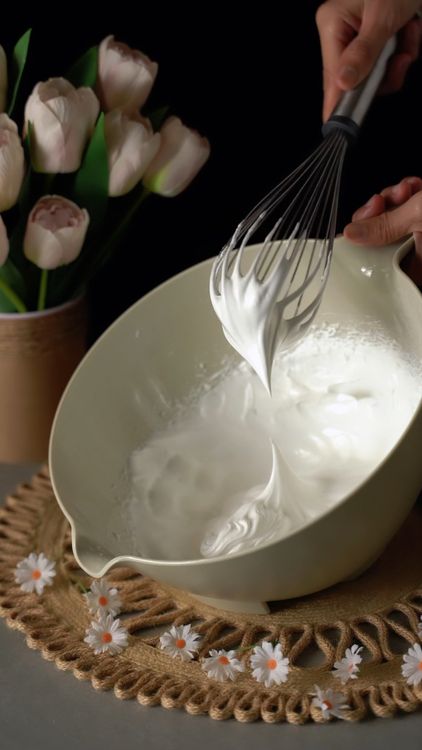
Read the percentage, then keep reading
The prominent number normally gives the product’s fat percentage. It is useful information for matching a recipe, but not a complete description. Two products with the same fat percentage can still differ in ingredients, processing and intended use.
Piątnica’s 18% 400 g sour cream lists pasteurised cream, starch and lactic-acid bacteria cultures, and identifies the product as thermised. Its 30% 200 ml sweet cream lists cream, milk proteins and carrageenan, and is pasteurised. Its 36% 200 g sweet cream lists pasteurised, homogenised cream. These are specific product examples, not ingredient lists for every 18%,30% or 36% cream on the Polish market.
The practical lesson is to compare the back of the package when ingredients matter to the recipe or to the person eating it. Buying a higher percentage does not automatically recreate a product from another country, and buying the same percentage does not guarantee that the formulation is unchanged between brands.
When a recipe calls for sour cream
If the dish explicitly calls for sour cream, begin with a product labelled śmietana and confirm the intended use. Piątnica presents its 18% product for soups, sauces and salads. That makes it a concrete example to investigate for those dishes, rather than a claim that it is the correct choice for every recipe bearing the word cream.
A recipe translated from Polish may retain a percentage because that is how the ingredient was specified. Keep that information instead of reducing the line to cream and buying whatever is nearest. If the recipe simply says śmietana without further detail, look at the method and the author’s notes before choosing.
Do not assume a sour-cream substitution is invisible. If your aim is to reproduce a familiar dish, use a recipe that specifies the product you can buy or gives a tested alternative. If you are deliberately adapting the flavour, make that a conscious cooking choice rather than discovering it only when the sauce is finished.
When a recipe calls for whipping cream
For a whipped dessert, look for a cream specifically presented as suitable for whipping. Piątnica’s 30% sweet cream page explicitly describes that use, while its 36% sweet cream is presented for decorating and desserts. Those product descriptions provide a better starting point than assuming any dairy item with cream in its translated name will whip.
Follow the instructions on the package and the recipe you are using. A producer’s statement that a particular product is suitable for whipping does not supply every detail of a dessert method, and it does not establish that a different lower-fat sour product is equivalent.
Also distinguish ordinary cream from ready-made sweetened toppings or mixtures. Read the product name and ingredients before deciding you have found a shortcut. If the recipe asks you to add sugar or another ingredient, check whether the product already contains it rather than automatically adding the full amount twice.
Cooking claims belong to the named product
Some producers describe their creams as suitable for hot dishes or resistant to splitting. Piątnica makes such claims for products in the range checked here. Do not turn that product-specific description into a promise that any cream can be added by any method to any hot sauce.
The most reliable approach is to use the cream named in a tested recipe and follow its sequence. If the recipe provides instructions for mixing the cream with another liquid before adding it, or for changing the heat, retain those instructions. This shopping guide does not replace them with a universal temperature or technique.
If a particular dish has failed after a substitution, note the exact product and what changed. The solution may concern the recipe or method rather than the Polish word on the front. Buying a different percentage at random can create another variable without answering the original question.
Grams and millilitres are not the same label
In the examples above, the 30% sweet cream is sold in a 200 ml version, while the 36% sweet cream is listed in a 200 g version. The difference matters when comparing the recipe quantity, package size and price. Do not assume every small container contains the same amount merely because it looks similar.
If a recipe specifies grams, use weight as directed. If it specifies millilitres, follow its volume measurement or an explicit conversion from the recipe or product. The fat percentage alone is not a reliable basis for inventing a gram-to-millilitre conversion.
For shopping, compare like units where possible and read the shelf unit price. A two-pack, a larger carton and a smaller tub can make the headline price misleading. This guide gives no national price because actual cost depends on the product, size, retailer and offer at the time of purchase.
Processing and storage need the actual label
You may encounter words such as pasteryzowana, meaning pasteurised, or UHT. These help identify the product, but they do not justify a general assumption about where every cream belongs before and after opening. Follow the storage conditions and date on the package you have.
Do not decide that all cartons are cupboard products or that an opened package follows the unopened storage rule. A container’s shape is not its storage instruction. If you move part of the product into another container, keep the original label and the information needed to follow its directions.
The same principle applies when ordering online. Product photographs and descriptions are useful for finding the item, but check the delivered package before using it. If the retailer substitutes another product, compare the name, percentage, ingredients and suitability for the intended dish instead of assuming the same brand colour means the same cream.
Make a small translation note for your regular dishes
For each recipe you make often, record the product that worked: full name, percentage, package size and how much you used. A photograph of the label can be easier to use in the shop than a translated phrase such as heavy cream, which may have a different specification in the country where the recipe originated.
Keep separate notes for a sour-cream dish and a whipped dessert. Combining them into one entry called Polish cream loses the distinction you have just established. If you later change brand, compare the new product against the successful example instead of restarting the choice from memory.
When asking at a shop, showing the exact Polish name is useful. You can also ask whether a product is do ubijania, for whipping, or do gotowania, for cooking. Treat the response alongside the package information rather than as a reason to ignore the recipe’s requirements.
A sensible first purchase
Choose one dish and buy the quantity it needs. There is no need to stock several nearly identical cream products merely to feel prepared. A recipe for a soup and a recipe for a dessert may need different products, but the decision should come from the meals you actually plan to cook.
For help choosing where to shop, our supermarket guide explains common store formats. If ordering remotely, the grocery-delivery guide offers a wider starting point. Neither replaces checking the exact item in your basket.
The useful habit is simple: name first, percentage second, ingredients and instructions third. Once you separate sour cream from sweet cream and stop treating package shape as a specification, the dairy aisle becomes a practical choice rather than a translation puzzle.
A substitution check before checkout
Online substitutions deserve a deliberate yes or no. A replacement may keep the same fat percentage but change sour cream to sweet cream, or change grams to millilitres. Compare the full name with your original choice and decide whether the recipe can use it. If the dish depends on a particular whipping or cultured product, declining an unsuitable substitute is more useful than hoping it will behave the same. Keep a second meal option available when ordering an ingredient that is central to dinner, rather than allowing the retailer’s substitute to decide the recipe for you.
Frequently asked questions
Can I whip any Polish cream?
No. Choose a product explicitly suitable for whipping and follow its instructions and your recipe. Piątnica describes its 30% sweet cream as suitable for whipping; that does not make an 18% sour cream an equivalent product.
Does sweet cream mean sugar has been added?
In the producer’s English category names, sweet cream distinguishes śmietanka from sour cream. Check the ingredients to establish whether sugar or any other ingredient has actually been added.