Tipping in Poland: How Much to Leave and the 'Thank You' Trap
The essentials: Tipping in Poland is voluntary but common: around 10% is the restaurant standard, 10-15% for very good service, and 89% of Poles tip at least sometimes. Cash tips reach the waiter directly; card tips are pooled and taxed. Saying 'dziekuje' while handing over cash signals the staff can keep the change.
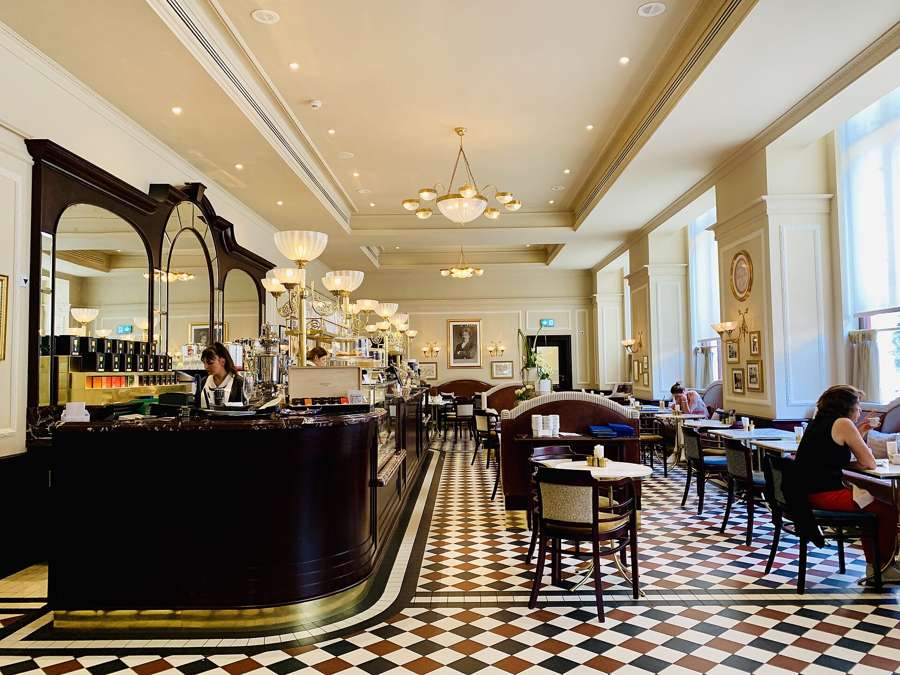
The bill is 86 zł. You hand the waiter a 100 zł note and say, politely, "dziękuję" - thank you. The waiter smiles, thanks you back, and walks away with your 14 zł of change. Nobody made a mistake: in Poland, saying "thank you" while handing over money is the signal that the staff can keep the change. It is the single most common tipping mistake foreigners make here, and it is far from the only local custom worth knowing.
Here is how tipping actually works in Poland: how much, who gets it, and how to make sure your money lands where you intend.
Is tipping expected in Poland?
Tipping is voluntary - nothing is added to your bill by default - but it is firmly part of restaurant culture. According to the Made For Restaurant report cited by Bankier.pl in August 2026, 89% of Poles leave a tip at least sometimes: 17% say they always do, 21% tip on most visits, 26% tip about half the time, and only 11% never tip at all.
The scale, however, is not American. Nobody in Poland expects 20-25% as a baseline, and no one will chase you out of a restaurant for leaving nothing after poor service. Around 10% is the accepted standard, with 10-15% for genuinely good service. Think of it as a polite thank-you, not a hidden surcharge.
Context matters for why tips feel smaller than in North America: Polish waiters earn a regular wage, with the national minimum wage at 4,806 zł gross per month in 2026 (see our minimum wage guide). Tips top up salaries rather than replace them.
How much to tip, venue by venue
Restaurants. Around 10% is the standard, 10-15% for very good service. On a 100 zł meal, that means 10-15 zł. Tips are rarely pre-added to the bill, except sometimes for large groups - check the menu fine print for a "serwis" or service charge before double-tipping.
Bars and cafés. No percentage maths needed: round the bill up to the next convenient amount, or leave a few złoty. At a craft cocktail bar or for an exceptional barista, a little more is appreciated but never demanded.
Taxis and ride-hailing. For longer journeys, around 10% is common, especially if the driver helped with luggage. For short rides, rounding up the fare is the norm. Uber, Bolt and FreeNow let you add a tip in the app after the ride, so cash is not essential here (see our ride-hailing apps guide).
Hotels. Small cash amounts, and they go furthest with the lowest-paid staff: 5-10 zł a day for housekeeping (left visibly in the room), roughly 1 zł per bag for porters, 5-10 zł for a valet each time they bring the car, and 10-15 zł for a concierge who genuinely pulled strings for you.
Hairdressers, barbers and beauty salons. Around 10% is a common gesture for a good cut or treatment, though plenty of clients simply round up.
Food delivery. Wolt, Glovo, Pyszne and the other apps all offer in-app tipping when you order (see our food delivery apps guide). A few złoty per order is typical, and more in snow or rain - couriers remember.
The "dziękuję" trap - and the word that saves you
Back to the opening scene. In Poland, the moment you hand over cash, your words are instructions:
- Say "dziękuję" ("thank you") while handing over the money, and the waiter understands: keep the change - all of it. If your 14 zł change just vanished this way, that is why.
- Say "proszę" ("please", pronounced *pro-sheh*) instead, and it signals the opposite: please bring me my change, however small.
The safest habit is to say nothing at all when handing over cash, then say "dziękuję" only when the change comes back and you decide what to leave. And if the change never came, you are allowed to ask for it - awkward, but not rude.
Cash beats card - and why "service" is not a tip
How you tip changes where the money ends up. Cash handed to your waiter goes straight to the person who served you. A tip added to a card payment goes to the restaurant first, which then redistributes it among staff and settles the taxes - meaning the waiter often sees a smaller amount. If you plan to tip, carry a little cash even if you pay the bill by card.
Watch out for a different animal entirely: the automatic service charge that some restaurants add for group bookings. As restaurant owner Mateusz Gessler explained in an August 2026 interview, an added "serwis" is legally the restaurant's revenue - it is subject to VAT and income tax, and owners do not necessarily pass the whole amount to the staff. A voluntary tip in cash is the only form guaranteed to reach your waiter in full.
One more small etiquette point: avoid leaving a pile of tiny coins as the tip. A handful of groszy adding up to loose change reads as a slap, not a thank-you - leaving nothing is genuinely better than leaving coppers.
Where you do not tip at all
Just as useful is knowing where a tip would be weird. Do not tip at fast-food counters, kebab windows, milk bars (bary mleczne) or self-service canteens - the price on the board is the whole transaction. Shop assistants, supermarket cashiers and petrol-station staff are never tipped, and neither are public officials, doctors, nurses or teachers; offering cash to anyone in a public office or hospital would be read as something far worse than generosity. In taxis hailed on the street, agreeing or checking the fare before you set off matters more than the tip afterwards.
A small historic footnote explains why tipping etiquette here can feel lighter than in Western Europe: under communism, restaurants were state-run, service culture was famously indifferent, and a tip could feel like a bribe. The modern 10% custom only settled in after 1989, which is why older Poles sometimes skip tipping entirely while younger city-dwellers treat it as standard - both are normal, and neither will judge you.
The 2026 debate: should tipping be mandatory?
Tipping norms are a live argument in Poland right now. In August 2026, Gessler sparked a national row by saying tips "should be obligatory for every guest" - a position he defended from his own years working restaurant floors, where tips paid real bills. The public pushback was fierce, and the legal reality is unchanged: tipping in Poland remains entirely voluntary.
For expats, the practical takeaway is simple. Tip around 10% when the service was good, round up casually in bars and taxis, carry a few coins for hotels and delivery couriers, and never feel bullied into more. Poland rewards generosity but does not invoice it.
For broader everyday customs - greetings, table manners, gifts and the occasions Poles actually care about - see our Polish social etiquette guide.
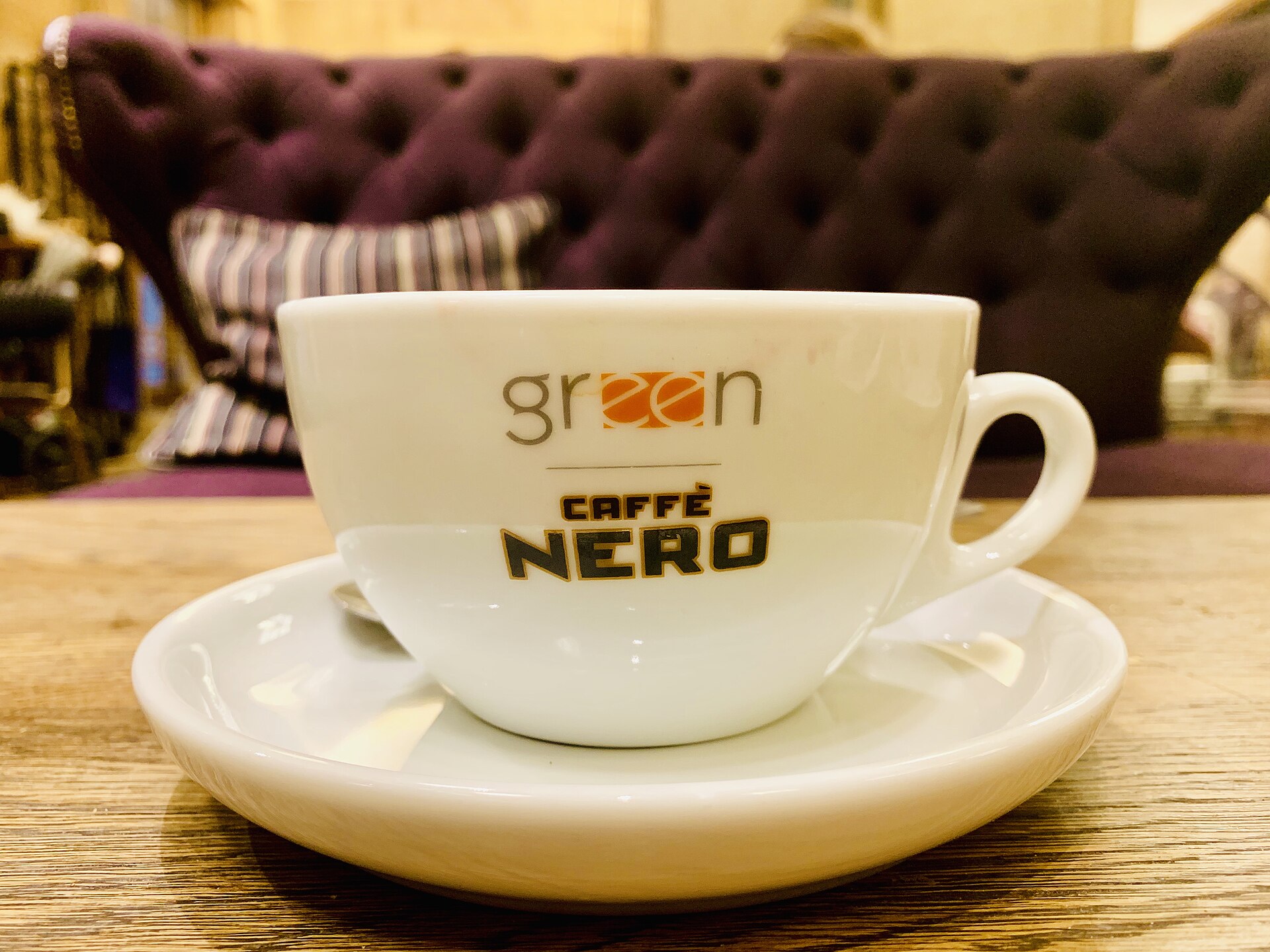
Cover photo: Café Bristol at the Bristol Hotel in Warsaw, photographed in 2019, by Chris Olszewski (CC BY-SA 4.0, via Wikimedia Commons). Photo below: a coffee at Green Caffè Nero by the Palace of Culture in Warsaw, photographed in 2019, by Kgbo (CC BY-SA 4.0, via Wikimedia Commons).
Frequently asked questions
How much should I tip in a Polish restaurant?
Around 10% of the bill is the accepted standard, rising to 10-15% for very good service. Tips are voluntary and rarely pre-added, except sometimes a service charge for large groups - check the bill before adding more.
Why did the waiter keep my change?
If you said "dziękuję" ("thank you") while handing over the money, you told the staff to keep the change. To get change back, say "proszę" ("please") when paying, or simply say nothing until the change returns.
Is it rude not to tip in Poland?
No. Tipping is a bonus for good service, not an obligation - 11% of Poles never tip at all. You will not be confronted for skipping it, though a small tip after genuinely good service is always appreciated.
Should I tip in cash or by card?
Cash when you can. Cash goes directly to your waiter, while card tips pass through the restaurant, which redistributes them and settles taxes - so the staff member usually receives less.
Do I tip taxi and Uber drivers in Poland?
For longer rides or help with luggage, around 10% is common; for short trips, rounding up the fare is enough. Ride-hailing apps like Uber, Bolt and FreeNow have an in-app tip option, so no cash is needed.
Is a service charge the same as a tip?
No. An automatic "serwis" added for group bookings is legally the restaurant's revenue, subject to VAT and income tax, and is not guaranteed to reach the staff in full. A voluntary cash tip is the only form that goes entirely to your server.