Baking in Poland: Yeast, Baking Powder and Soda
The essentials: Drożdże means yeast, proszek do pieczenia is baking powder and soda oczyszczona is baking soda. They are different products, not interchangeable Polish names for one raising agent. Match the exact ingredient and quantity to your recipe.
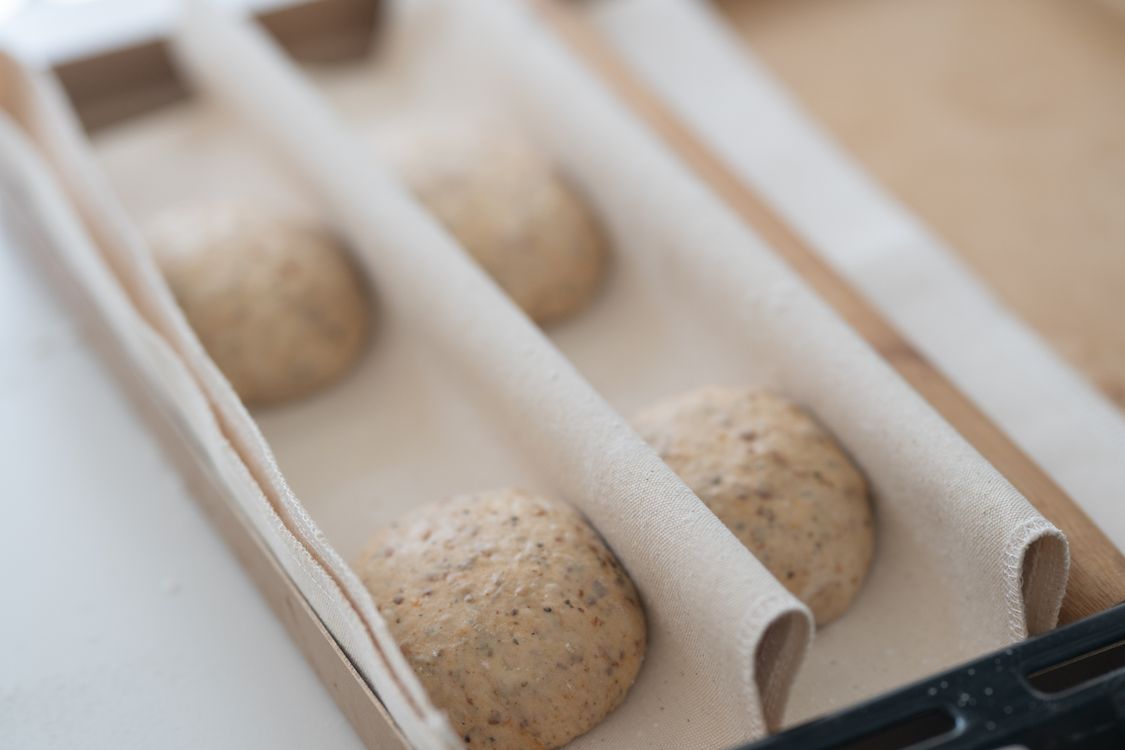
Cover: Cats Coming / Pexels, Pexels License. Illustrative cooking photograph, not a Polish product label, brand endorsement or tested recipe. Resized.
A Polish baking aisle contains several small packets that can look interchangeable when you are shopping quickly. Drożdże, proszek do pieczenia and soda oczyszczona may all appear near flour and dessert ingredients, but they are not three translations of the same thing. Choosing the wrong one changes the recipe, not just the brand.
The useful skill is to match the full ingredient name and the quantity. A recipe calling for one packet can create another trap when the packet size differs between countries or between products on the same Polish shelf. Read grams, method and intended use before putting the ingredient into the bowl.
Learn the three names first
Drożdże means yeast. Products may be described as świeże, fresh, or suszone instant, dried instant. The exact description matters because the recipe’s method may be written for a particular form.
Proszek do pieczenia means baking powder. Soda oczyszczona is baking soda; the checked Dr. Oetker product lists sodium bicarbonate, wodorowęglan sodu, as its ingredient. These names refer to separate products, not different package sizes of yeast.
Write the complete name on your shopping list. A note that says raising powder or white baking packet is not specific enough, especially when other dessert additions share the aisle. If you are translating a recipe, preserve its original ingredient name beside the Polish term until you have confirmed the match.
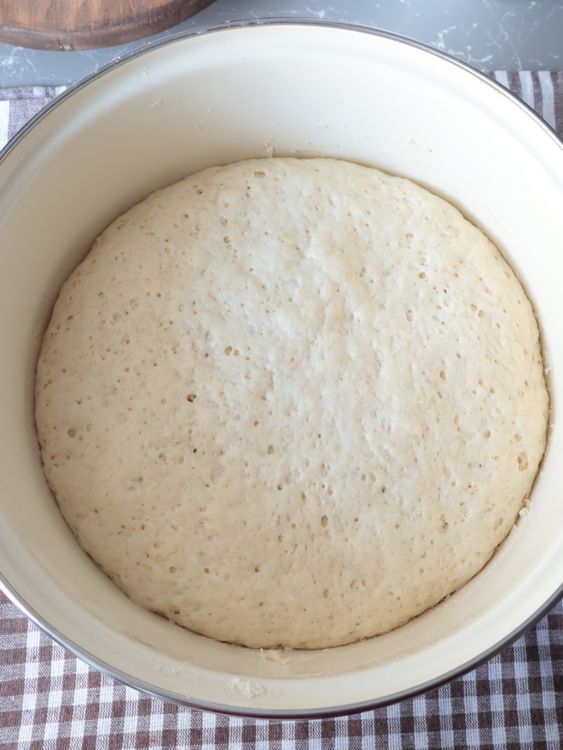
Instant yeast: read the named product’s method
Dr. Oetker’s 7 g instant yeast provides a concrete example of how a Polish packet explains its use. The producer says it can normally be mixed with flour without preparing a starter. It also gives an exception for heavy doughs, such as those containing a large quantity of dried fruit, where a starter is needed.
That exception is important. Do not shorten a product description into never needs a starter and apply it to every recipe. Read the complete preparation advice and the recipe’s sequence. If they appear to conflict, use a tested recipe written for the exact type of yeast rather than combining half of each method.
The same product is presented for sweet and savoury yeast baking, including bread and pizza. This tells you the category of use, not the full dough formula. You still need the recipe’s flour, liquid, mixing, rising and baking instructions. A packet cannot guarantee success independent of the rest of the method.
Fresh and dried yeast: keep conversions specific
The checked Dr. Oetker 7 g product explicitly states that one packet is equivalent to 25 g of fresh yeast and is intended for 0.5 kg of flour. That is a useful manufacturer conversion for that product. It should remain attached to the product name, rather than becoming a universal rule for every dried yeast sold in every country.
If your recipe specifies fresh yeast but you buy a different dried product, read that product’s conversion and method. Do not calculate from the apparent size of the packet or assume all dried yeast behaves identically. Likewise, a recipe’s rising times should not be replaced by a guessed shortcut because a packet says instant.
Keep the quantity separate from the package count. A recipe asking for 25 g of fresh yeast is giving a weight, not a request for whatever block a shop happens to sell. Use the amount required by the recipe and follow the package’s directions for the remainder.
Baking powder: a packet is not one standard unit
The Dr. Oetker range checked for this guide lists baking powder in 15 g and 30 g versions. Its 30 g product says the portion is sufficient for 1 kg of flour. That does not mean every recipe using a kilogram of flour requires precisely that product or quantity; the recipe still determines the formulation.
The important shopping lesson is that one sachet can be ambiguous. If an imported recipe says one packet and provides a gram amount elsewhere, use the gram amount to identify what it means. If it does not, find a reliable version with a clear quantity instead of choosing the largest or most familiar-looking sachet.
Do not add a whole packet to a smaller recipe merely because the packaging is single-use. Equally, do not split a packet by eye when the recipe requires a measured amount. Keep a suitable measuring method available and follow the recipe rather than making package design the deciding factor.
Check the baking powder ingredients
The checked 30 g baking powder lists raising agents including diphosphates and sodium carbonates, along with wheat flour and starch, and a possible milk presence warning. This is a specific formulation. It shows why a tiny baking ingredient deserves an ingredient-label check just as much as a main ingredient.
Do not assume every brand’s baking powder has the same carrier ingredients or allergen information. The familiar English name identifies the product category, not an identical composition across all markets. Check the package you actually buy, particularly if a dietary requirement is part of the meal planning.
This guide does not recommend a medical or dietary treatment. Its point is more practical: if a recipe or household requirement depends on the ingredients, reading only the front of a sachet is not enough. Keep the original packaging until you have finished using the product.
Baking soda is not baking powder under a shorter name
Soda oczyszczona is the name to look for when a recipe explicitly asks for baking soda. The Dr. Oetker example lists sodium bicarbonate as the ingredient. Baking powder has its own formulation, so changing between the two is not simply a translation or brand substitution.
Use the product specified by a tested recipe. If you need to adapt a recipe because one ingredient is unavailable, choose guidance written for that exact change rather than using equal spoonfuls by default. This shopping guide intentionally gives no universal soda-to-powder ratio.
Some manufacturer pages discuss uses outside baking. Those claims are not needed to choose a cake ingredient and are not repeated here as health, cleaning or treatment instructions. Buy a food product for the intended recipe and follow the relevant culinary directions, not an unrelated use mentioned in marketing copy.
Flour and raising agent are separate decisions
A Polish flour name such as tortowa or puszysta does not tell you that the flour already contains the raising agent required by your recipe. Check the ingredients. The flour and the baking powder or yeast may be separate purchases even when the recipe from home uses a ready-combined flour product.
Before substituting for self-raising flour, use a tested conversion or recipe suited to the plain flour available to you. Do not assume a cake-oriented name supplies an automatic equivalent. The same caution applies to a ready bread mix: read what is already included and what you must add.
When shopping, keep the recipe open beside the ingredient list. Tick off flour, raising agent and any other dry ingredients separately. This simple step prevents buying the correct flour and then accidentally using a yeast packet in a recipe written for baking powder.
Storage and dates belong to the exact package
The checked instant-yeast product says it does not require refrigerated storage. That instruction concerns the named product and should not be extended automatically to fresh yeast or every opened package. Follow the conditions and date information on what you actually have.
If you keep several small packets in a baking box, do not discard the labels or pour different powders into identical unmarked jars. A product name, weight, date and preparation direction are useful information, not packaging clutter. If you transfer contents, preserve the information needed to identify and use them correctly.
Avoid treating an old packet’s instructions as proof that a newly purchased formulation is the same. Check the current label, particularly when changing brand or package size. The useful habit is quick but specific: name, amount, ingredients, directions and storage.
Build a small baking kit around real recipes
Choose two or three things you actually plan to bake and buy the ingredients they specify. You may need instant yeast for a dough and baking powder for a cake, but not every raising agent in the aisle. A smaller, clearly labelled collection is easier to use than a drawer full of nearly identical packets.
Compare package weights and shelf unit prices, but do not buy more solely because the price per gram is lower. The quantity you can use within the package’s directions is the relevant household value. This guide does not quote a universal retail price or promise that any particular shop has stock.
For the wider shopping routine, see our Polish supermarket guide. If you use online ordering, our grocery-delivery guide can help you choose a service, but inspect the exact delivered item before baking. The right product is the one named in your method, not simply the small packet that arrived.
Translate the method as well as the ingredient
A recipe may mention the raising agent in its method even after listing it among the ingredients. Read those later instructions before starting, especially whether the ingredient is mixed with flour or handled separately. Keep a note of the exact Polish product you used and its packet weight. If the next purchase has a different weight, return to the measured quantity rather than repeating a remembered packet count. This makes a successful bake repeatable without claiming that every recipe, sachet or brand follows the same process. A few minutes of reading is more useful than trying to identify an unlabelled powder halfway through mixing.
Frequently asked questions
Does one sachet always mean the same amount?
No. The checked range includes 7gand 14ginstant-yeast products, and 15gand 30gbaking-powder products. Read the weight and recipe rather than using one packet as a universal measure.
Can I replace yeast with baking powder?
Do not treat them as direct substitutes. Use the raising agent specified by the recipe or a tested version written for the alternative product.